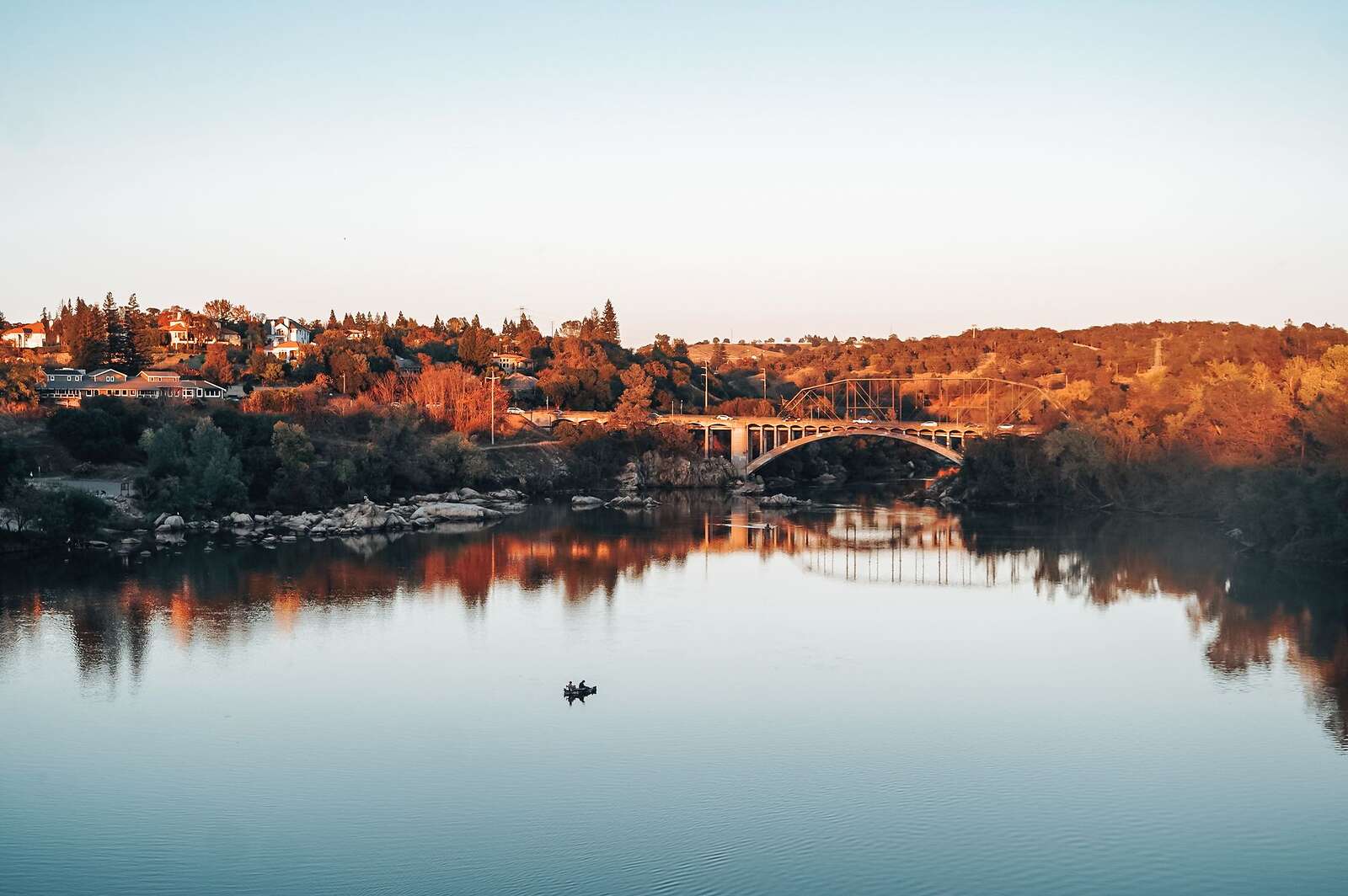
Rodent Removal in Folsom, CA
Folsom runs from Gold Rush era buildings near Sutter Street to hillside subdivisions built in the last forty years, with oak woodland and the river and lake alongside. Three different kinds of inspection.
- Historic core to new hillside
- Oak and lakeside ground
- Free inspection, itemized quote
Free Inspection in Folsom
A free inspection in Folsom begins with what the house stands on. The historic blocks around Sutter Street hold some of the oldest buildings in the county, typically raised-foundation with a ventilated crawl space, so the foundation vents, the access door and the underfloor penetrations are the first items on the list. The newer subdivisions south and east are mostly slab-on-grade, which moves the walk to the garage, the stucco penetrations, the roof returns and the gable vents.
Folsom is in Sacramento County, roughly twenty-two miles east of downtown, and the same contractors cover it. A dispatcher takes the call whatever time it is, and inspection slots run 7am to 7pm every day. Nothing is charged for the visit and the opening list is yours either way. Book it from the contact page.
Gold Rush era buildings and what they do to a survey
The old town around Sutter Street dates to the Gold Rush, and the surviving residential and commercial fabric there is old by California standards. Buildings of that vintage have had a century and a half of alterations, which is the real complication: a service entry cut through a stone or brick foundation, a rear addition meeting the original structure, a disused penetration left open when something was replaced.
Those added openings are the ones a quick survey misses, and they are usually the ones being used. UC IPM has a young rat passing under a door with only a half-inch gap, so the clearance left around an old conduit is more than enough. An inspection in the historic core takes longer than anywhere else in Folsom, and the list it produces is correspondingly longer.
Mixed use adds to it. Where a building carries a business at ground level and housing above, the waste handling at the back becomes part of the problem, and the work falls under commercial rodent control as much as residential.
Oak woodland, granite ground and the water
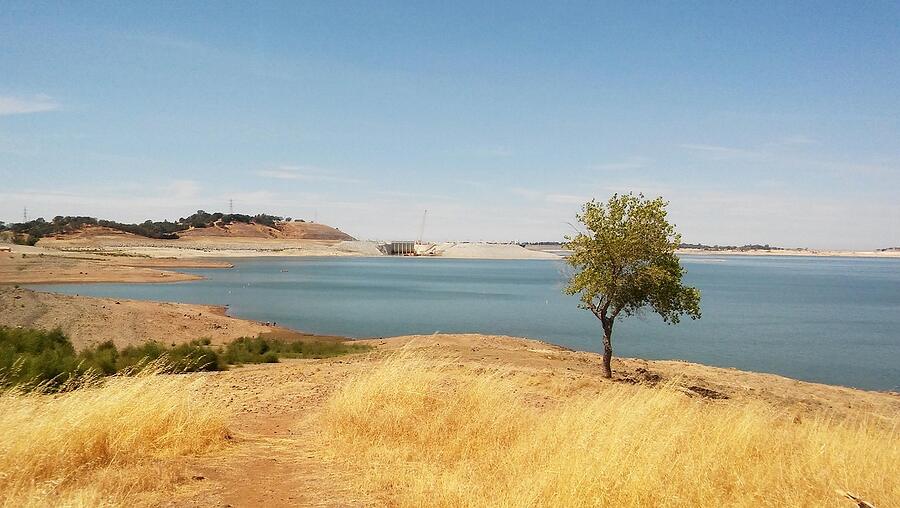
Folsom sits where the valley floor gives way to the Sierra foothills, on granite ground with oak woodland through it, alongside the American River, Lake Natoma and Folsom Lake. The newer subdivisions are built into that landscape rather than onto cleared flat ground, which leaves mature oaks inside and around them.
Oaks are the local roof rat route. A valley or blue oak carries heavy low limbs that spread wide, and a limb within reach of a roof is an entrance regardless of how recently the house was built. UC IPM describes roof rats as climbers living in attics, wall voids and ceiling voids, traveling up to 300 feet or more to feed, which on a wooded street means the whole block is one territory.
The water side is the ground rat story. Lake and river shoreline, with soft soil and cover, is good Norway rat habitat, and UC IPM gives them a nightly range of 100 to 500 feet. A raised-foundation house close to the shoreline or to a drainage corridor has a reason to get its foundation vents closed before the wet season rather than after it.
What We Handle in Folsom
Folsom jobs split along the same lines as the housing, and these are the services that come up.
- Roof rat removal: the oak woodland call, with the attic runs trapped and the limbs identified
- Rodent exclusion: the spine of every job here, from four items on a newer slab house to a dozen in the historic core
- Norway rat removal: ground activity near the river, the lake shoreline and the drainage corridors
- Rodent inspection: the free walk that separates the old-building list from the new
- Attic cleanup: droppings and nesting cleared after the trapping, wetted first
- Rodent clearance letters: written reports for a sale or a lease, common on the older stock
- Commercial rodent control: the Sutter Street businesses and the mixed-use buildings around them
A Typical Folsom Job
The situation: A newer two-story house on a wooded street in south Folsom, with two mature oaks over the back garden. Light, fast movement above the upstairs ceiling after dark through October, nothing visible, and owners who had assumed a house built in the 1990s could not have this problem.
What gets done: The walk finds a slab house with a short list and one decisive item: an oak limb resting on the rear roof slope, with a gable vent eight feet from it whose screen has gone brittle and failed on one side. In the attic, rub marks along two rafters and droppings in one bay, all recent. The gable vent is rescreened once the trapping has finished; three stucco penetrations and a lifted garage door corner are closed on the first visit. Traps go along the attic runs at 10 to 20 foot spacing.
How it turns out: Three visits over a little under three weeks. Four animals, the gable vent closed after two empty checks, and the droppings cleared from the single bay. The owners booked a tree service for the limb, which is the part that keeps it closed. The quote ran to four lines and the total sat well under what they had braced for.
What This Costs in Folsom
There is no Folsom cost survey and no California one either, so the figures below are national bands, labeled as such and framed as typical-job ranges. The inspection is what turns them into a quote, and in Folsom the building era moves that quote more than anything else.
| Stage | Typical national band | Source |
|---|---|---|
| Inspection on its own | $0 to $175 | HomeGuide 2026 |
| Trapping and removal | $250 to $1,200 | HomeGuide 2026 |
| Sealing the building | $500 to $2,500 | HomeGuide 2026 |
| Attic cleanup and decontamination | $600 to $2,500 | HomeGuide 2026 |
| Dead rodent removal | $150 to $500 | HomeGuide 2026 |
A newer hillside house with a short opening list tends to land in the lower half of the trapping and sealing ranges. A building in the historic core can run to the top of the sealing band on its own, because a hundred and fifty years of alterations leaves a long list of penetrations. Tree work is not on this table and it is not a pest control line; it is usually the cheapest thing you will do.
Rodents in the attic
What is happening above the ceiling, explained.
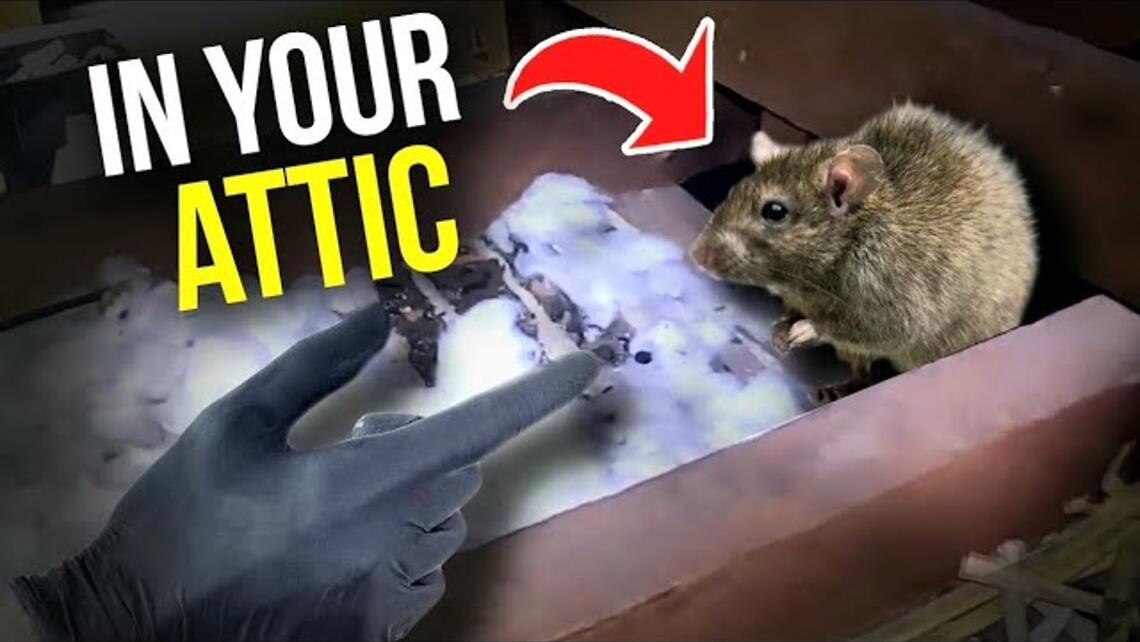
Video: Rodents in your ATTIC!? Here's what you do, from Twin Home Experts.
Common Questions in Folsom
The questions Folsom callers raise before they book.
My house was built in the 1990s. Why is this happening?
Because the route matters more than the age. A mature oak limb resting on a roof puts a roof rat at the eave of a new house just as readily as an old one, and UC IPM describes them as climbers that live in attics and wall voids. What a newer house gives you is a short list of openings to close, usually a gable vent screen, a few stucco penetrations and a garage door corner, rather than the dozen items an old building carries.
Do the oaks have to be cut back?
Cutting limbs clear of the roof is usually all that is needed, and it is almost always the cheapest part of the remedy. What a roof rat uses is contact between the limb and the building, so the trunk can stay exactly where it is. The inspection identifies which limbs make contact and says so in writing; arranging the tree work is yours, and it falls outside pest control entirely.
Can I get a written report for a sale?
Yes, and it comes up often on the older Folsom stock. A clearance letter names the areas inspected, records the evidence found or absent on the date, lists any openings sealed and the material used, and carries the company registration number so the other side can verify it on the Structural Pest Control Board lookup. Where the inspection finds activity the work comes first, so booking early in an escrow period matters more than anything else.
Is bait an option here?
The contractors routed through this line trap and seal, and California law has narrowed the alternative sharply. AB 1788 suspended the second-generation anticoagulants in 2020, AB 1322 added diphacinone from 2024, and the Poison-Free Wildlife Act extended the suspension to chlorophacinone and warfarin from January 2025. UC IPM lists bromethalin, cholecalciferol and zinc phosphide as the remaining registered actives. Trapping also takes the animal out of the building rather than leaving it in a cavity.
Nearby Areas We Serve
The contractors covering Folsom work the neighboring towns as well, across Sacramento County and the wider Sacramento metro.