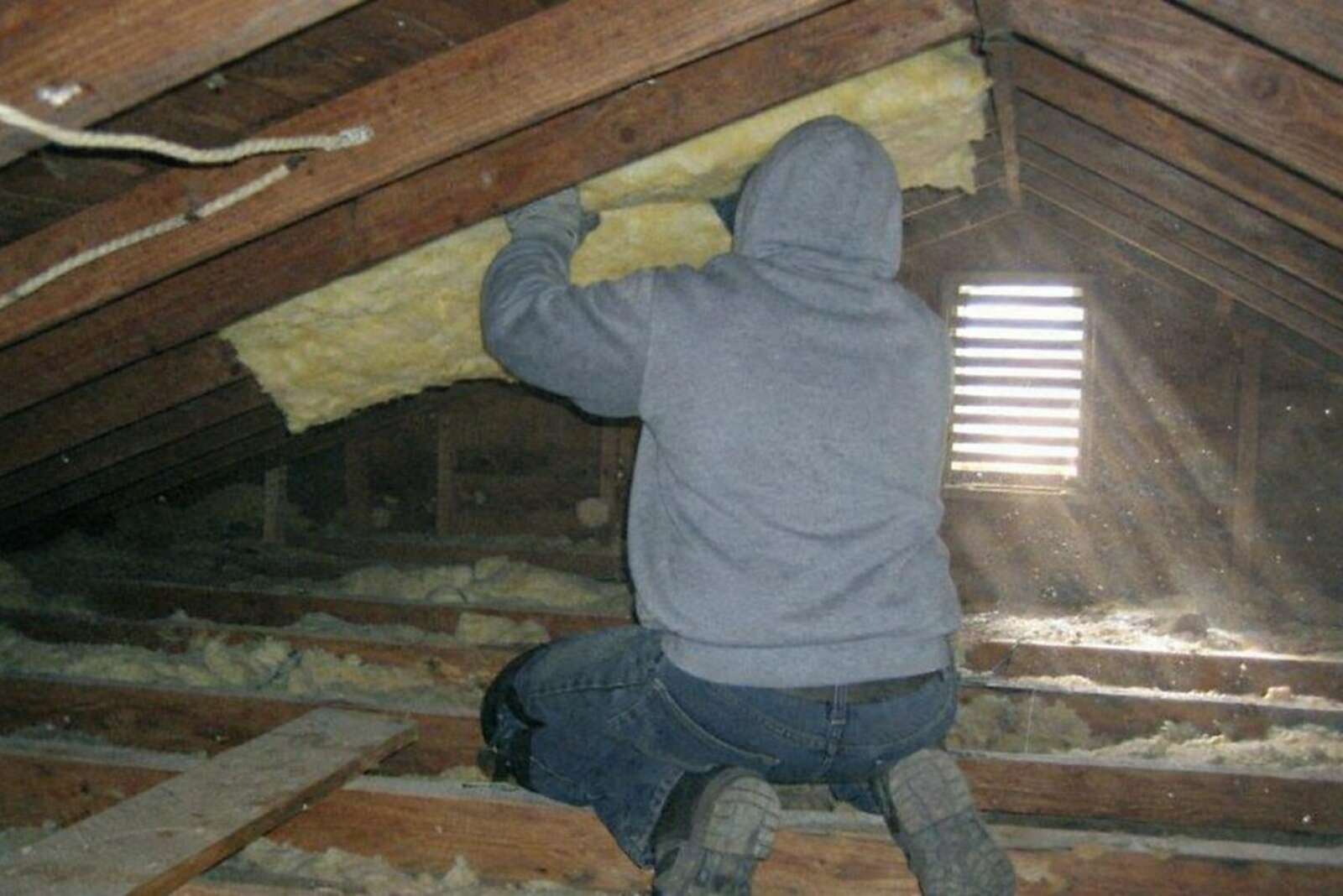
Attic Insulation Replacement in Sacramento
Insulation that has been walked into runs and urinated through has stopped working and it holds the smell. The damaged area comes out, the attic is cleared, and fresh material goes back.
- Quoted per square foot
- Damaged areas only
- Free inspection, itemized quote
What insulation replacement in Sacramento includes
The job is a removal, a clearance and a refill, in that order. The damaged material is bagged and taken out, the exposed joist bays and the deck are cleaned and sanitized, and new insulation goes back to the depth the attic is meant to carry. Sound material outside the damaged area is left alone, which is why the quote should state a square footage.
What gets removed is decided by condition rather than by area. Loose-fill that has been flattened into runs along the perimeter joists. Batts with urine staining through them. Anything with nesting material built into it. Everything else gets the droppings cleared off the surface and stays in place.
- Damaged insulation bagged and removed from the building
- Joist bays, deck and ductwork cleaned and disinfected once they are exposed
- Openings confirmed closed before any new material goes in
- Fresh loose-fill or batts installed to the intended depth
- Square footage stated on the quote, so the rate can be checked
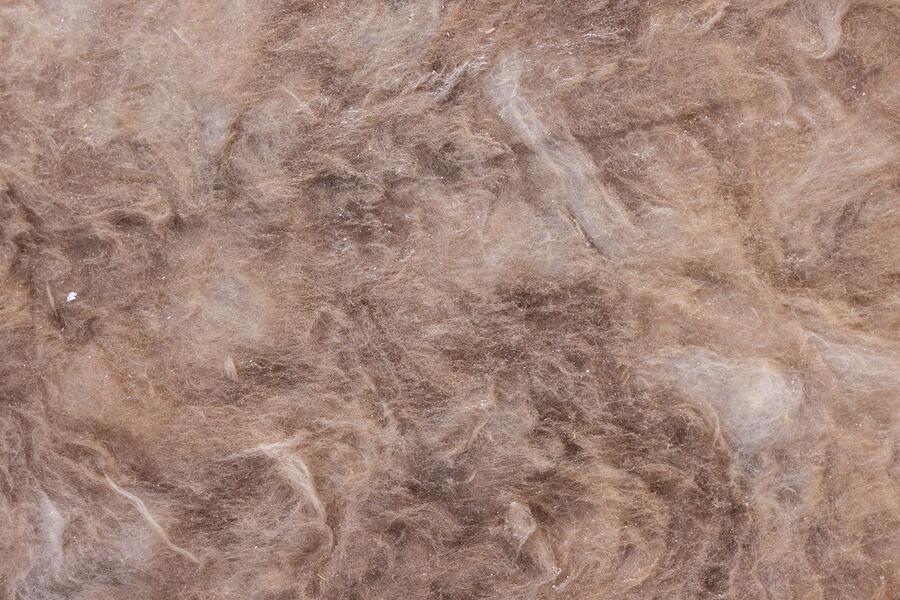
Why damaged insulation has to come out
It has stopped doing the one thing it is for. The Department of Energy notes that compressed insulation does not deliver its rated R-value and that wet insulation performs poorly, and rodent traffic produces both conditions: a run trodden flat along a joist line and bays soaked through where a population sat for a season.
The second reason is the smell. Urine held in insulation returns every time the attic warms, which in a Sacramento summer is most afternoons, and no amount of fogging the joists fixes material that is saturated. Cleanups that are reported as having failed are usually cleanups that left the insulation in.
The third is that the material is where the evidence lives. Pulling a damaged run out exposes the joist bays and the deck, which is the only way to clean and sanitize what was underneath it rather than over the top of it.
What goes back in, and to what depth
Usually the same kind of material that was there, installed to the depth the attic was designed for. Loose-fill fiberglass or cellulose blown to a marked depth is the common choice in a retrofit because it fills an irregular older attic evenly; batts suit a newer attic with regular joist spacing and clear access.
Two things are worth agreeing in writing. The depth or R-value being installed, because blowing to a shallower depth than the original is an easy saving to make invisibly. And whether the new material is going over the whole floor or only the removed area, since a partial replacement leaves a step in the depth that should at least be a deliberate decision.
A note about where this license line sits: insulation work is not pest control. A Branch 2 company handles the rodent side, and the insulation may be installed by that company or by an insulation contractor working alongside them. Ask which, and under what license, before the work is booked.
When does replacement make sense and when does it not?
It makes sense when the damaged area is large, when the odor persists after a clearance, or when the insulation was marginal before the rodents arrived and this is the moment to put it right. It does not make sense on a light scattering of droppings across otherwise sound material, which is a clearance job and nothing more.
The honest test is the flashlight test. Look across the attic floor: if the surface is even and the only sign is droppings sitting on top, that cleans. If there are trodden channels, dark staining and nests built into the material, it comes out. A contractor who recommends a full replacement without showing you either condition is guessing or selling.
Will replacing it reduce my energy bills?
Possibly, and the honest answer is that nobody can put a number on it for your house. The Department of Energy position is qualitative: compressed insulation does not deliver its rated R-value and wet insulation performs poorly. How much that costs you depends on how much of the attic was affected, what depth went back, and how the rest of the house performs.
Treat the energy side as a secondary benefit rather than the reason. The reasons to do it are that the damaged material has failed, that it holds odor, and that clearing it is the only way to sanitize what sits underneath.
What replacement costs, and how to read the rate
There is no published Sacramento cost survey for this work, so the bands below are national and labeled that way. A per-square-foot rate is only meaningful alongside a stated area, which is why the quote should carry both.
| Item | Typical national band | Source |
|---|---|---|
| Insulation removal and replacement | $2.50 to $5.50 per square foot | HomeGuide 2026 |
| Attic cleanup and decontamination | $600 to $2,500 | HomeGuide 2026 |
| Full-scope restoration, worst case | $3,000 to $10,000 and up | HomeGuide 2026 |
| Trapping and removal, the stage before this one | $250 to $1,200 | HomeGuide 2026 |
Access is the main thing that moves the rate inside the band. A hallway hatch over a single-story ranch with headroom is at the low end; a small hatch in a 1920s bungalow with low clearance and boarded storage across half the floor is at the high end, because every bag comes out through the same small opening. Material choice and the depth going back move it too. A partial replacement on four hundred square feet is a very different invoice from a full attic, which is why the area belongs on the page.
Why Sacramento attics end up in this condition
Roof rats are the reason, and the canopy is the reason for them. The city urban forest plan counts roughly a million trees and about 19 percent canopy cover, with a target of 35 percent by 2045, and the City of Trees name goes back to the 1850s. Mature shade trees put limbs within reach of rooflines across the older neighborhoods, and UC IPM describes roof rats living in attics, wall voids and ceiling voids, so the insulation is where they end up.
Build era decides how bad it gets. East Sacramento, Midtown, Land Park, Curtis Park, Oak Park and Del Paso Heights are dominated by pre-1975 homes with original roofs, and those attics often carry loose-fill that has already been topped up once, over low headroom and awkward framing. A population can work a perimeter bay for a season without being heard through a plaster ceiling.
Then the heat finds it. Summers here are hot and dry, attic temperatures climb through the afternoon, and contamination that went unnoticed all winter announces itself in the first warm week. A large share of insulation calls arrive in May and June, from people whose trapping finished months earlier.
What to check before replacement is agreed
Confirm the rodent work first. The company dealing with the animals must be registered with the California Structural Pest Control Board and licensed in Branch 2, which covers household pests and rodents, and the Board public lookup lets you verify a company registration before anything starts. Every contractor routed through this line holds it. Insulation installation sits outside Branch 2, so ask who is doing that part and under what license.
Then get three things in writing. The square footage being removed and the square footage going back. The material and the depth or R-value. And confirmation that the openings are already closed, because new insulation in an attic with an open eave is the most expensive mistake on the whole job.
Ask about guarantee terms while you are at it. Some companies in the Sacramento area publish one-year and two-year terms on their sealing work, and it is the sealing rather than the insulation that determines whether you are doing this again.
Services that run alongside this one
Most Sacramento jobs move through two or three stages, and these pages cover the steps either side of this one.
- Attic Cleanup and Decontamination: Droppings and soiled material cleared and the attic sanitized, wetted first as CDPH advises.
- Rodent Exclusion: Closing foundation vents, crawl space doors, gable vents and eave gaps in steel and sheet metal.
- Roof Rat Removal: Trapping the climbing rat that dominates Sacramento attics, with the roofline closed behind it.
How the stages fit together is set out on the about page, and the line is open at any hour if you would rather ask.
Before insulation is replaced
Ten things worth settling first.
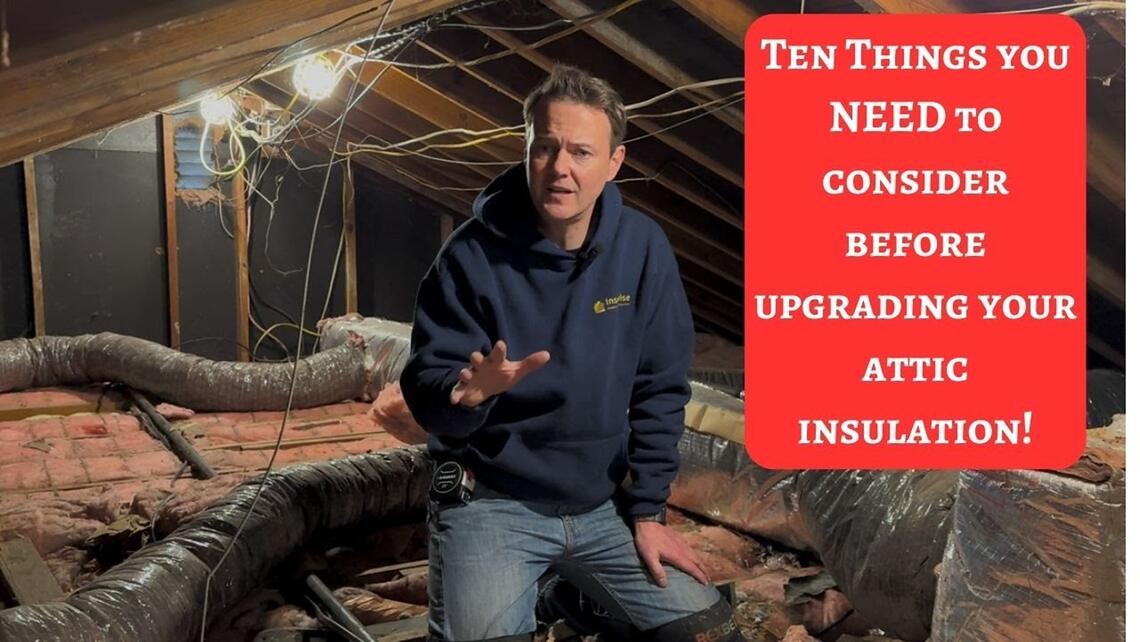
Video: Ten things to consider before upgrading your attic insulation, from Insulwise.
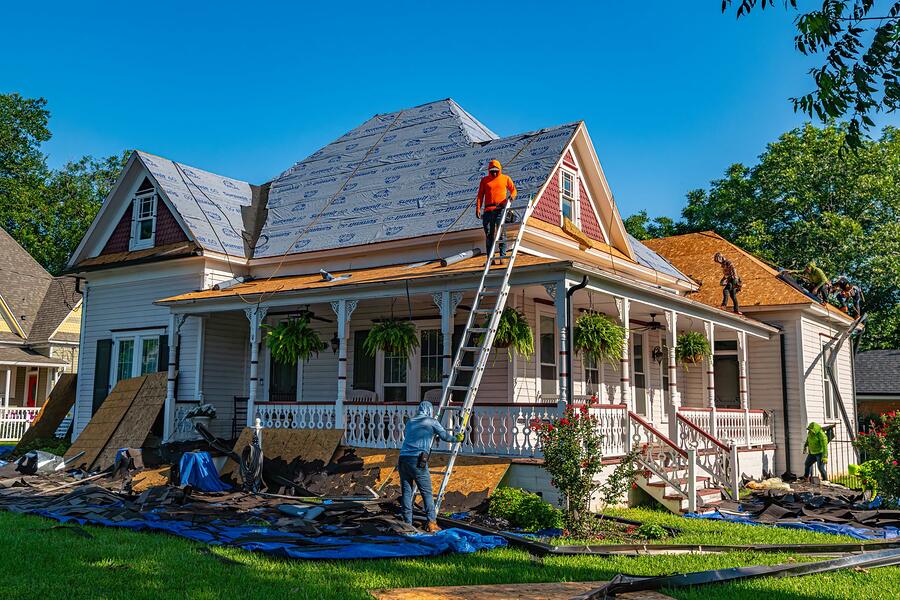
How insulation replacement runs
Five steps, with the new material going in last for an obvious reason.
-
Confirm the building is closed
Trapping finished, checks empty and the last openings sealed. Fresh insulation under an open eave is money handed over for nothing.
-
Measure the damage
The attic assessed bay by bay for trodden runs, staining and nesting, with the damaged area measured so the quote carries a square footage alongside the rate.
-
Remove and bag
Damaged material bagged at the point of removal and carried out, with droppings and staining wetted first as CDPH advises rather than disturbed dry.
-
Clean what was underneath
The exposed joist bays, the roof deck and any ductwork cleaned and disinfected, which is the part a surface cleanup cannot reach.
-
Install fresh material
New loose-fill or batts to the agreed depth, with the depth or R-value stated on the invoice so it can be checked against what was quoted.
Ready to start? Call (916) 644-8455 or Book a Free Inspection.
Why this line is worth reading closely
Three things that decide whether the money is well spent.
Only the failed material leaves
A full-attic replacement is occasionally right and frequently oversold. The test is visible: trodden channels, dark staining and nests built into the material come out, and an even surface with droppings sitting on top gets cleared and stays. Asking to be shown both conditions in your own attic costs nothing and changes the invoice.
HomeGuide prices removal and replacement at $2.50 to $5.50 per square foot, so area is the whole quote.
The rate means nothing without the area
A per-square-foot figure inside the published band can still describe a wildly wrong job if the area is not stated. Four hundred square feet of badly damaged material and a whole twelve-hundred-square-foot attic are both quotable at the same rate. Insist that both numbers appear.
The quote should carry the square footage removed and the square footage installed.
The sealing decides whether you do this twice
Insulation is downstream of everything else. If the roofline and the foundation are closed and the trapping has finished, new material lasts as long as material anywhere else. If they are not, this becomes a recurring expense, which is why the openings are confirmed before a single bag goes up the ladder.
UC IPM has roof rats traveling up to 300 feet or more to feed, so an open eave is never left alone.
What Reddit Says About Attic Insulation Replacement in Sacramento
The complaint that dominates these discussions is the full-attic upsell. People describe being quoted a complete replacement on the strength of droppings across a quarter of the floor, and the advice that follows is always the same: go up there, look at it, and ask to be shown the staining. The counter-complaint is just as common, from people who paid for a surface clean, kept the soaked batts and found the smell waiting for them in June.
The red flags people name are mostly about the paperwork. A rate with no area. No depth or R-value stated. Removal and replacement bundled into a single figure with the cleanup. A recommendation to replace before the trapping has finished. And new material going in while the eave is still open, which several people report discovering afterward.
The questions they advise asking are short. How many square feet are coming out, and how many are going back. What material and what depth. Are the openings closed already, and can I see the list. Who is installing the insulation, and under what license. Is this quoted separately from the cleanup.
A reasonable number of homeowners report doing the removal themselves and paying a contractor only for the blow-in, which is a sensible split where the attic has headroom. The people who advise against it are mostly working in pre-1975 attics with a small hatch, where getting the bags out is the entire difficulty.
The assessment that measures the damaged area is free, and it is the number the whole decision turns on.
A typical insulation job after a roof rat winter
The situation: A 1950s ranch house in Carmichael under heavy valley oak canopy. Roof rats trapped out in January, the roofline and two gable vents closed in February, attic droppings cleared the same month. By the start of June the master bedroom smelled of ammonia by mid-afternoon and the owners were ready to believe the job had failed.
What gets done: The attic is clear of fresh sign and the entries are intact. The assessment finds loose-fill trodden into a continuous channel along two perimeter joist runs and dark staining through roughly 380 square feet at the end nearest the eave, with the remaining area dusty and sound. The damaged material is bagged and removed, the exposed bays and the duct run are cleaned and disinfected, and blown fiberglass goes back across the removed area to the depth recorded in the rest of the attic.
How it turns out: One working day. The quote carried the area removed, the area installed, the material and the depth, separately from the earlier cleanup invoice. The smell went with the bags. The owners were told that the oak limbs over the ridge are what put the animals there, and that a tree service call is the cheapest part of keeping it this way.
Insulation questions Sacramento callers ask
What comes up once the attic has been looked at properly.
Does all of it have to come out?
Rarely. What comes out is material that has been compressed into runs or soaked with urine, plus anything with nesting built into it, and the Department of Energy gives the reason: compressed insulation does not deliver its rated R-value and wet insulation performs poorly. Material that is no more than dusty with droppings on the surface gets cleared and stays. Ask for the damaged area in square feet, and ask to be shown it.
How is this priced?
Per square foot, with HomeGuide putting removal and replacement nationally between $2.50 and $5.50. That band only means something next to a stated area, so the quote should carry both the square footage coming out and the square footage going back, along with the material and the depth. Access moves the rate inside the band more than anything else: a tight hatch in an older house puts every bag through the same small opening.
Will it stop the smell?
Where the smell is coming from soaked insulation, yes, and that is the usual case when an attic still smells after a clearance. Urine held in the material returns each time the attic heats, which in a Sacramento summer is most afternoons. If the odor is heavy, sweet and building rather than ammoniac, the likelier cause is a carcass in a wall or floor cavity, which is a different job and gets identified at the inspection.
Can I do the removal myself and pay for the install?
Plenty of people do exactly that, and in an attic with headroom it works well. Wear a protective suit and a half-face respirator, wet the droppings and staining with a disinfectant or a ten percent bleach solution before disturbing anything as CDPH advises, and bag at the point of removal. The part worth paying for is the blow-in, because depth consistency is what the R-value depends on.
When can somebody look at it?
The line never reaches a voicemail box, whatever the hour, and inspection appointments sit between 7am and 7pm every day. The dispatcher books the next slot the contractor covering your area has open. The assessment costs nothing, including the measurement of the damaged area, whether or not you go ahead.