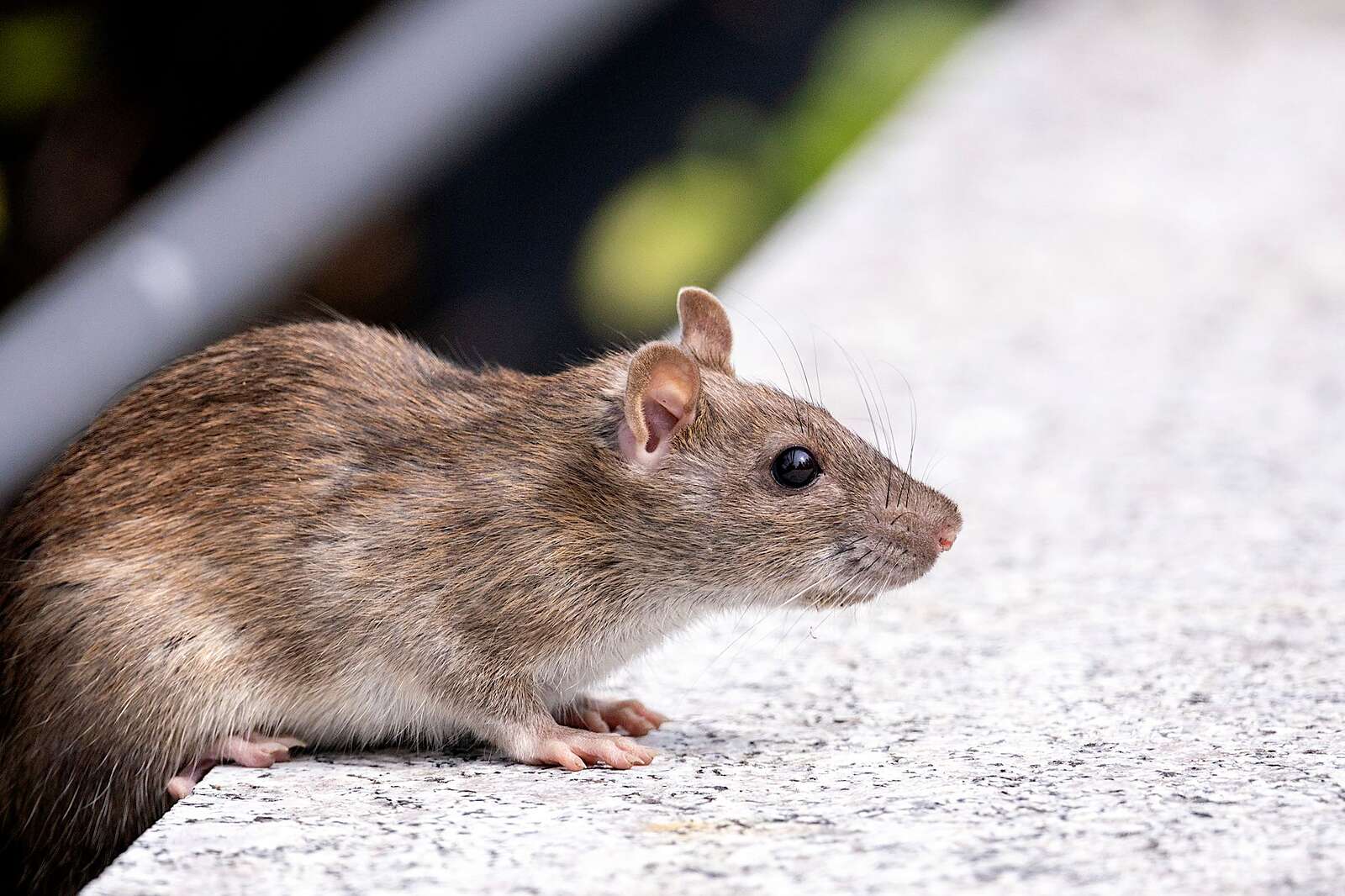
Norway Rat Removal in Sacramento, CA
The Norway rat works at ground level and below it, out of burrows along the levees and into garages and crawl spaces when winter rain floods the bank. Trapping at grade, then every opening at the foundation closed.
- Burrows and crawl spaces
- Trapping with no anticoagulant bait
- Free inspection, itemized quote
What Norway rat removal in Sacramento includes
The work covers the ground and everything under the floor, which is where this species lives. A contractor walks the perimeter for burrow openings worn into bare soil, checks the foundation vents and the crawl space access door, looks under decking and sheds, reads the garage threshold and the door corners, and then goes under the house where there is a crawl space to get into.
Trapping follows the runs found on that walk. Snap traps go at the burrow mouths, along the foundation line and inside the crawl space, and the openings that carry no traffic are closed first so the animals have fewer ways to move. Once the catching stops, the rest of the perimeter is shut in half-inch hardware cloth and sheet metal, the burrows are collapsed and backfilled, and any nesting material left under the floor is cleared out.
- Perimeter and underfloor survey, with each burrow and opening recorded
- Snap trapping at grade and in the crawl space, checked and reset on a schedule
- Foundation vents, crawl space door, pipe penetrations and garage corners closed
- Burrows collapsed, nesting material and droppings removed from under the floor
- An itemized quote with trapping, sealing and cleanup priced separately
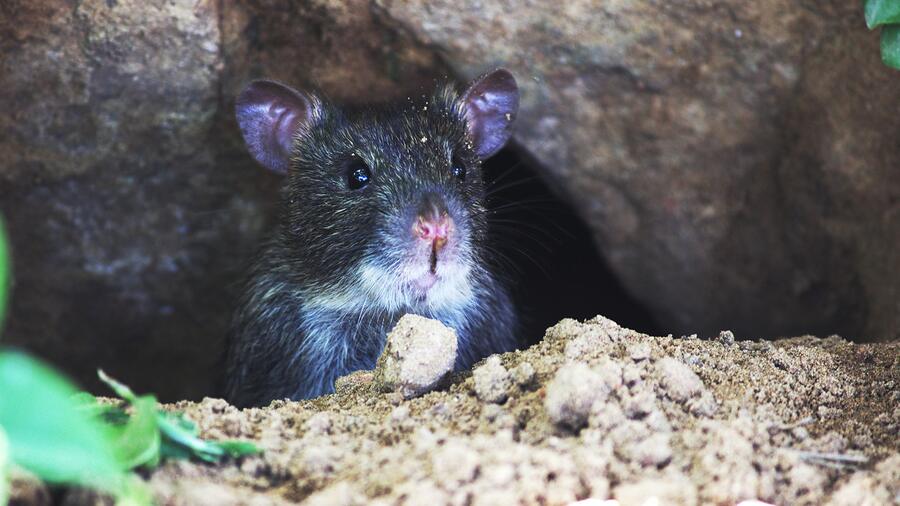
Signs that point to a Norway rat
Height is the first clue. UC IPM places Norway rats at ground level and below, usually in burrows, while roof rats live in attics, wall voids, ceiling voids and cabinets, so noise under the floor or in the garage points one way and noise over the bedroom ceiling points the other.
The second clue is outside. A Norway rat digs, and the openings it leaves are smooth-sided holes about two to three inches across in bare soil, often against a foundation, under a shed floor or behind an overgrown shrub, with a fan of loose earth at the mouth and a worn path leading away. Droppings are larger and blunt at the ends rather than tapered. Gnawing shows up on the bottom edge of a garage door and on the sill plate inside a crawl space.
Range matters for what you do next. UC IPM gives a Norway rat a nightly range of roughly 100 to 500 feet around its nest, so a burrow system two gardens away is still your problem. That is why a plan that stops at the traps inside your own garage keeps producing animals.
Why the rivers and the levees put them in your garage
Sacramento sits at the confluence of two rivers behind a long run of levees, and the banks are prime Norway rat ground: soft soil to dig in, cover along the water, and food in the parkway. Local accounts describe them traveling the Sacramento and American River levees and moving into garages and crawl spaces, and the pressure is heaviest from fall through spring when winter rain floods the riverside burrows out.
River Park, Campus Commons and the West Sacramento side of the river see the clearest version of it. A wet week pushes animals off the bank, they follow the first dry route they find, and a raised-foundation house with a rusted foundation vent is an open door at exactly the wrong moment. Rodents here do not hibernate, so there is no season in which this stops; what changes is how hard they are pushing to get inside.
None of that makes a riverside house unfixable. It does mean the sealing has to be taken seriously at the soil line, and that checking the vents and the crawl space door before the first storm is worth more than any amount of trapping afterward.
How long does it take to get rid of Norway rats?
Expect a few weeks on a normal job and longer on a bad one. HomeGuide gives two to three days of trapping where only a handful of animals are involved, and one to two months where an infestation is well established, and a burrow system along a fence line sits at the slower end of that.
The sealing is the variable that decides it. Close the foundation vents, the crawl space door and the garage corners, and the trapping has a finish line because nothing new is arriving. Leave them open and the traps keep working forever, which is the experience behind most of the complaints people post about rodent contracts that never end.
What is the cheapest way to get rid of rats?
Sealing the building and snap trapping once, properly, is the cheapest route that reaches an end. HomeGuide puts trapping and removal nationally between $250 and $1,200 and full-home sealing between $500 and $2,500, so a combined job is a real number, and it is a number you pay once.
A bait-only plan looks cheaper on the first invoice and costs more by the third. It leaves the openings exactly as they were, and on a California house most of the old bait chemistry is no longer available anyway. The other false economy is a monthly service with exterior stations and nothing sealed, which bills indefinitely while the burrows refill.
What Norway rat work costs, and where the figures come from
No city-level rodent cost survey is published for Sacramento, so every figure below is national and labeled as such. Anybody quoting you a Sacramento average has made it up. The free inspection is what converts these bands into an itemized quote for your building.
| Stage of work | Typical national band | Source |
|---|---|---|
| Standalone inspection | $0 to $175 | HomeGuide 2026 |
| Trapping and removal | $250 to $1,200 | HomeGuide 2026 |
| Full-home exclusion sealing | $500 to $2,500 | HomeGuide 2026 |
| Cleanup and decontamination | $600 to $2,500 | HomeGuide 2026 |
| Rodent removal, average job | About $395, most between $189 and $655 | Angi, national |
| Follow-up visit | $50 to $150 | Angi, national |
Two things move a Norway rat job within those ranges. A crawl space pushes the sealing figure up, because the foundation vents, the access door and every pipe through the floor have to be closed around the whole perimeter. And a burrow system that has been running for a year means more trapping visits, which is why the number of follow-ups belongs on the quote in writing. National guides also price basement work that houses here rarely have; the crawl spaces under the older neighborhoods are where that line lands locally.
Why the method here is traps and steel
Anticoagulant bait is largely off the table in this state. Assembly Bill 1788 suspended second-generation anticoagulant rodenticides statewide in 2020. AB 1322 added diphacinone from the start of 2024. AB 2552, the Poison-Free Wildlife Act, was signed in September 2024 and extended the suspension to chlorophacinone and warfarin from January 2025, with carve-outs for public health and agricultural use. UC IPM lists bromethalin, cholecalciferol and zinc phosphide as the active ingredients still registered here.
For a Norway rat job that settles the method. Trapping paired with sealing is the professional default, and it has a second advantage the law did not intend: an animal caught in a trap is removed from the building, while an animal that eats bait dies wherever it has been living, which on a crawl space job means under your floor. The EPA notes that death follows four days to two weeks after feeding begins, and a carcass in a wall cavity becomes a second invoice.
Saying no anticoagulant bait is used is accurate. Claiming no products at all would not be, since other registered actives exist and a contractor may use a non-anticoagulant product in a specific situation, such as a commercial exterior. Ask what is going down and where, and expect a straight answer.
What to check on the contractor before work starts
Start with the registration. Inspecting for rodents, trapping them or applying bait for hire in California requires a company registered with the Structural Pest Control Board and licensed in Branch 2, which is the general pest category covering household pests and rodents. Minor exclusion in mesh, hardware cloth and sealant sits inside Branch 2; replacing a chewed sill plate or a rotted joist is structural work and moves into Branch 3 or a building contractor licensed by the CSLB.
Every contractor routed through this line holds the Branch 2 license the job needs, and you can confirm any company registration on the Board public lookup before work begins. The Department of Fish and Wildlife is a separate matter: rats and mice are exempt from its trapping license requirement, so a Branch 2 company needs nothing extra from CDFW for this work. Squirrels, opossums and raccoons are a different story.
Then ask four questions. Which openings are being sealed, listed item by item. How many follow-up visits the price includes. What material is going over the foundation vents, since half-inch hardware cloth holds and expanding foam does not. And what the terms are on any guarantee offered, because some companies in this area publish one-year and two-year terms and the wording is where the value sits.
Services that run alongside this one
Most Sacramento jobs move through two or three stages, and these pages cover the steps either side of this one.
- Rodent Exclusion: Closing foundation vents, crawl space doors, gable vents and eave gaps in steel and sheet metal.
- Rodent Inspection: A free walk of the roofline, attic and crawl space that decides the order of the whole job.
- Dead Rodent Removal: Tracing an odor to the cavity holding the carcass, removing it and closing the route in.
How the stages fit together is set out on the about page, and the line is open at any hour if you would rather ask.
What a brown rat is
Background on the species and how it lives.
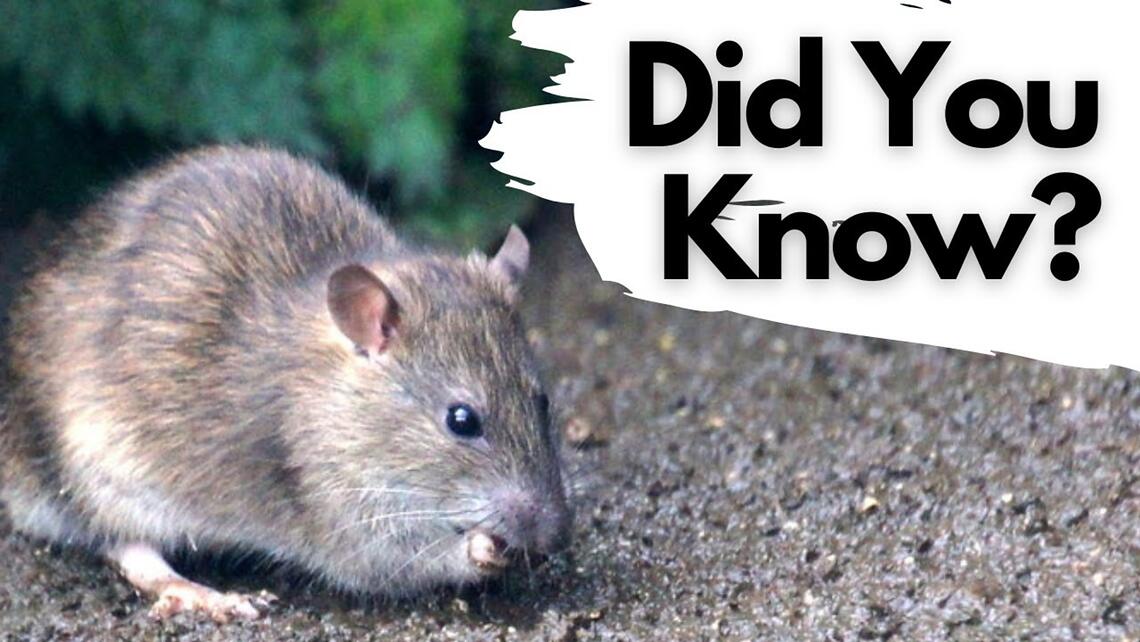
Video: Things you need to know about brown rats, from A Shot Of Wildlife.
How a Norway rat job runs here
Five steps, starting at the soil line and ending with the ground closed.
-
Describe it on the phone
Where the noise or the digging is, whether you have seen a hole in the dirt, and how long it has gone on. That separates a ground rat from a climber before anyone drives out.
-
Free inspection, outside first
A walk of the whole perimeter for burrows and gnawing, then the foundation vents, the crawl space door, the garage threshold and whatever is under the floor, each opening recorded and photographed.
-
Close the quiet openings
Half-inch hardware cloth over the vents, sheet metal on chewed edges and coarse steel wool into the gaps with no current traffic, which narrows the animals down to the runs still in use.
-
Trap at grade and underneath
Snap traps at the burrow mouths, along the foundation and in the crawl space, spaced 10 to 20 feet apart, sometimes left baited and unset at first where the animals are shy of anything new.
-
Seal the rest and clear up
Once the catching stops, the last openings are closed, the burrows are collapsed and backfilled, and nesting material and droppings are removed from under the floor.
Ready to start? Call (916) 644-8455 or Book a Free Inspection.
Why a ground rat job needs a different plan
Three things that decide whether the burrows come back next winter.
The work starts at the soil line
A crew that heads straight for the attic hatch has already missed the job. Norway rats live at grade and below, so the survey belongs on the perimeter: burrow mouths in bare soil, the gap under a shed, a rusted foundation vent, the worn strip of earth that shows a run. Everything after that follows what the outside walk found.
UC IPM places Norway rats at ground level and below, typically in burrows.
A crawl space is sealed around its whole perimeter
On a raised-foundation house the openings run the full way around: every foundation vent, the access door and its frame, the gap where a pipe passes through the floor, the point where the skirting meets the ground. Missing one leaves the whole job open, which is why the quote lists them individually rather than pricing the foundation as one item.
UC IPM specifies 16 or 18 gauge hardware cloth at half-inch mesh for rats.
Nothing goes down that dies under your floor
Trapping removes the animal from the building. Bait does not, and a carcass in a crawl space or a wall cavity turns one job into two. California restricted the old anticoagulant chemistry anyway, so the professional method here is traps plus sealing, and that is what gets quoted.
The EPA puts death four days to two weeks after an animal starts feeding on anticoagulant bait.
What Reddit Says About Norway Rat Removal in Sacramento
People who have been through this are consistent about one thing: the job is judged on what was sealed, and the threads that end badly almost always involve a contract with traps and stations and no sealing at all. The advice that keeps coming back is to get two or three written scopes for the same house and compare them line by line, because the figures move less than the descriptions do.
The red flags homeowners list are specific. A quote that prices the whole job as one number. A visit that goes no further than placing exterior bait boxes. A monthly plan with no stated end. Expanding foam in a vent opening. A crew that will not go under the house. Someone who talks about the attic when the noise is clearly under the floor.
The questions they recommend asking are equally concrete. Exactly which openings are on the list, written down. How many return visits the price covers and what happens after those. What material goes over each vent. Whether any guarantee covers new openings or only the ones sealed. And the company registration number, so it can be checked rather than taken on trust.
There is also a steady thread of people who did the hardware cloth work themselves and were pleased with it, alongside people who found the burrow system ran under a neighbor's fence and realized they were only ever fixing half of it. Both groups end up at the same conclusion: find the openings first, and seal before you congratulate yourself on the trap count.
That is the sequence a free inspection is for, and it is the same walk whether you end up hiring anyone or not.
A typical Norway rat call near the levee
The situation: A raised-foundation house two streets back from the American River Parkway, after a week of heavy December rain. Scraping under the floor of the back bedroom, a smell of ammonia in the hall closet, and a hole the size of a golf ball in the soil behind the garden shed with a fan of loose earth at the mouth.
What gets done: The perimeter walk finds three burrow openings along the back fence, a foundation vent with its screen corroded through at one corner, and chewing on the bottom edge of the garage door. The two vents with no traffic are rescreened in half-inch hardware cloth, a metal threshold goes on the garage door, and snap traps go at the burrow mouths and along the foundation inside the crawl space. The vent carrying the run stays open for the first week.
How it turns out: Four visits over about three weeks. The last vent is closed once two consecutive checks come up empty, the burrows are collapsed and backfilled, and the soiled insulation under the bedroom floor is bagged and removed. The quote itemized trapping, sealing and the underfloor clearance as three lines, and the homeowner was told plainly that the fence line will need watching again after the next wet spell.
Norway rat questions from Sacramento callers
The questions that come up once a hole in the soil has been found.
Is it rats or gophers digging in my yard?
Look at the opening. A rat burrow is a clean round hole roughly two to three inches across, usually against a hard edge such as a foundation, a shed floor or a fence line, with loose soil fanned out at the mouth and a worn path leading away from it. A gopher leaves a crescent-shaped mound of fine soil with the hole plugged and sits out in open ground rather than hugging a wall. If there is also scraping under the floor or gnawing on the garage door, it is rats.
Do I need to seal if the burrows are outside the house?
Yes, and that is the part most plans skip. UC IPM gives a Norway rat a nightly range of roughly 100 to 500 feet, so the animals using a burrow behind your shed are already testing every opening on the building. Collapsing burrows without closing the foundation vents and the crawl space door just moves the nest. Sealing the building is what makes the yard somebody else's problem rather than yours.
How do they get under a house with no basement?
Through the foundation vents and the crawl space access door, mostly. Houses built here before the mid-1970s typically sit on a raised foundation over a ventilated crawl space, and the vent screens are often original, thin and rusted at the corners. UC IPM notes that a young rat will pass under a door with only a half-inch gap, so a corroded corner is more than enough. Pipe penetrations through the floor and a worn garage threshold are the other two routes.
Can the contractor come out at night or on a weekend?
The phone is answered 24 hours a day, every day, so the booking can be made whenever you find the problem. Inspections run seven days a week between 7am and 7pm, and the dispatcher books the next slot the contractor covering your area has open. Whether anybody can attend outside those hours depends on the contractor dispatched rather than on this line.
Will they have to go into the crawl space?
On a raised-foundation house, yes, assuming the access is usable. The burrow openings outside tell you the species; what is under the floor tells you how far it has gone, which joist bays have nesting material in them, and whether the insulation under the floor has been soiled badly enough to need removing. A contractor who declines to go under the house is quoting on a guess.