Rodent Removal in River Park
River Park sits between the American River levee and the city, which makes it the clearest ground rat neighborhood in Sacramento. A wet week on the bank puts animals against your foundation.
- Levee and parkway pressure
- Post-war homes, raised foundations
- Free inspection, no obligation
Why the river decides the season here
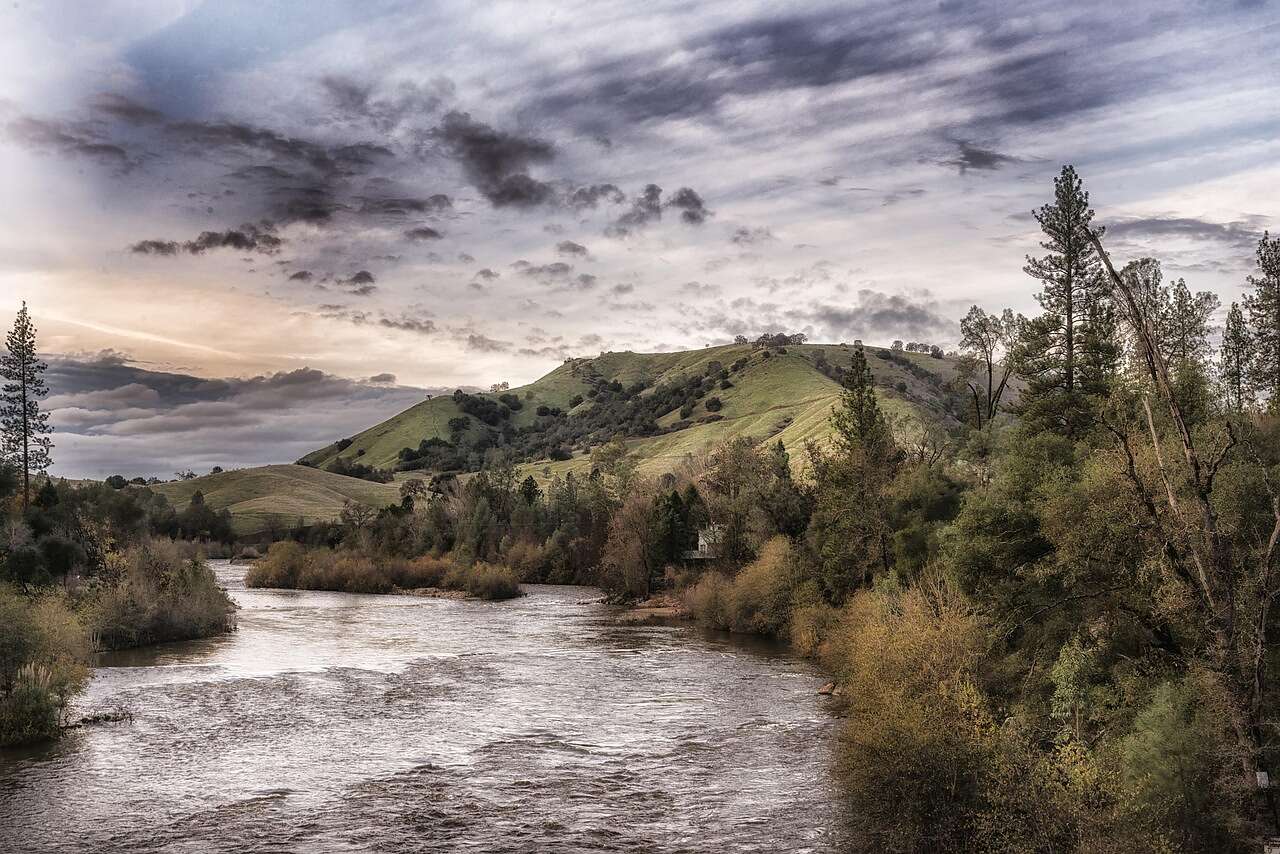
River Park is bounded on two sides by the American River and the parkway that runs along it, behind a levee. The bank is ideal Norway rat ground: soft soil to burrow in, continuous cover, and food along the parkway. Local accounts describe Norway rats traveling the Sacramento and American River levees into garages and crawl spaces, and the pressure is heaviest from fall through spring, when winter rain floods the riverside burrows out.
That gives the neighborhood a genuine seasonal pattern, which most of the city does not have. Rodents here do not hibernate, so activity never stops, but a heavy run of December or January rain produces a wave of animals pushed off the bank and looking for the nearest dry space. The first thing they find is a row of houses.
UC IPM gives a Norway rat a nightly range of roughly 100 to 500 feet around its nest, which on these streets takes in the levee, the parkway edge and several blocks of housing at once. That is why a plan confined to traps inside one garage keeps producing animals and why the foundation line is where the money belongs.
What the houses here are built on
River Park is mostly post-war, built out through the late 1940s and the 1950s in single-story ranch and minimal traditional styles on a regular grid. Houses of that era typically sit on a raised foundation over a ventilated crawl space, which on a levee-adjacent street is precisely the vulnerability that matters: a ventilated void at ground level, a few inches above soil that floods.
The recurring findings are the same across the neighborhood. Foundation vents with screens aged to the point of failing at a corner. A crawl space access door that no longer meets its frame, or a plywood replacement rotted along its bottom edge. The gap under a garage roll-up door, which on a 1950s garage is often substantial. Pipe penetrations through the underfloor, opened up at some point for a remodel and left as found.
Attics here see roof rats too, because the street trees have had seventy years to mature and the parkway canopy is close. Both species on one building is common in River Park, and they need different trap placement and different parts of the opening list.
What a visit in River Park looks like
The walk starts at the soil and gives the back fence line particular attention, because that is where burrow openings show up: smooth holes two to three inches across in bare earth, with loose soil fanned at the mouth and a worn path leading away. Then the foundation vents one by one, the crawl space door and its fit, the garage threshold, and the underfloor penetrations. Then the roofline and the attic.
Trapping goes at the burrow mouths, along the foundation inside the crawl space, and in the attic where there is activity overhead, at 10 to 20 foot spacing as UC IPM advises. The openings with no traffic close on the first visit in half-inch hardware cloth and sheet metal; the active ones close once the checks come up empty, and the burrows are collapsed and backfilled at the end rather than the start.
These streets most often need Norway rat removal and rodent exclusion, with roof rat removal where the attic is involved as well. The about page covers who attends.
Rodents in the attic
What is happening above the ceiling, explained.
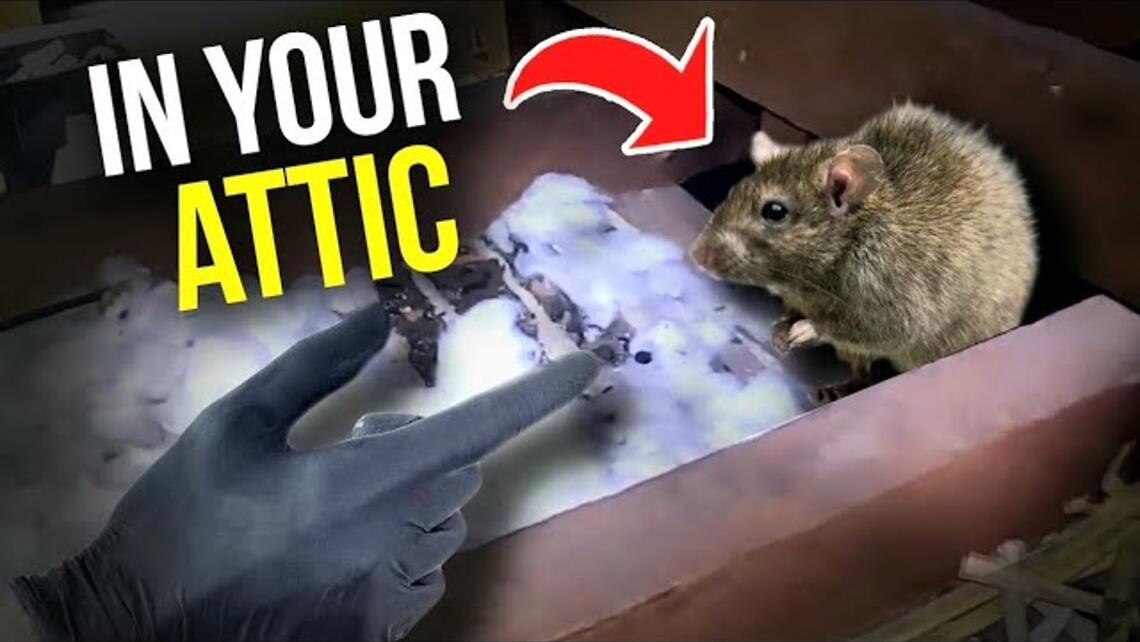
Video: Rodents in your ATTIC!? Here's what you do, from Twin Home Experts.
What a River Park job turns on
Three things that are specific to a levee-adjacent street.
The foundation line is the whole battle
On a raised-foundation house a few hundred feet from a levee, the vents and the crawl space door are where the job is won or lost. Every vent counted and rescreened, the access door fitted properly, the underfloor penetrations packed and capped. A quote that spends its effort on the roofline here has read the wrong neighborhood.
The mesh UC IPM calls for on a rat job is half an inch, in 16 or 18 gauge steel.
Timing matters more than it does elsewhere
A building closed in September is a building that holds through the wet season. A building closed in February is closed after the wave has already arrived. The levee pressure is seasonal in a way that most Sacramento rodent pressure is not, which makes an inspection before the first storms the most valuable free visit on these streets.
Winter rain floods riverside burrows out, pushing ground rats toward the nearest dry space.
The burrows get dealt with last
Collapsing a burrow system at the start scatters the animals and loses the trap positions. The sequence is to trap at the mouths first, confirm the catching has stopped, then collapse and backfill. A contractor who fills the holes on the first visit has made the job harder and has also removed your only way of measuring progress.
UC IPM gives a Norway rat a nightly range of 100 to 500 feet around the nest.
A typical River Park call
The situation: A 1951 single-story house three streets from the parkway, after ten days of heavy rain in early January. Scraping under the floor of the back bedroom at night, a run of droppings along the garage wall plate, and two holes in the soil behind the garden shed that the owner had assumed were gophers.
What gets done: They are rat burrows, smooth-sided and against a hard edge with soil fanned at the mouth. The walk counts five foundation vents, two failed at a corner, a crawl space door with a gap along its bottom edge, and a worn threshold under the garage roll-up door. Under the floor there are droppings across three joist bays and soiled insulation in one. Traps go at the two burrow mouths, along the crawl space perimeter and in the garage; the two vents and the garage threshold are closed on the first visit, and the crawl space door stays open as the active run.
How it turns out: Four visits over about three weeks. The crawl space door is refitted with a metal edge after two empty checks, the burrows are then collapsed and backfilled, and the soiled insulation in the one bay is bagged out. The owners were told to expect the fence line to need watching again after the next wet spell, which is honest rather than reassuring.
River Park questions
What callers from these streets ask.
Is this because of the river?
Largely, yes. The levee and the parkway bank are good Norway rat habitat, with soft soil, continuous cover and food, and local accounts describe them traveling those levees into garages and crawl spaces. Heavy winter rain floods the bank burrows and pushes animals toward the nearest dry space. UC IPM gives them a nightly range of 100 to 500 feet, so the levee is comfortably within reach of these blocks whatever the weather.
Are those holes in my yard rats or gophers?
Look at the shape and the position. A rat burrow is a clean round hole roughly two to three inches across, usually tight against a hard edge such as a foundation, a shed floor or a fence, with loose soil fanned out at the mouth and a worn path away from it. A gopher leaves a crescent mound of fine soil with the hole plugged, out in open ground. Scraping under the floor or a worn garage threshold settles it.
When is the best time to have this done?
Before the wet season rather than during it, which on these streets means late summer or early fall. A building sealed in September holds through the winter wave; a building sealed in February is being closed after the arrivals. The inspection is free at any time of year, so a pre-season walk of the foundation vents and the crawl space door costs nothing and is the single most useful visit here.
Will the city deal with the levee side?
The parkway and the levee are not something a contractor or a homeowner can treat, and the honest position is that the habitat stays. What is within reach is your own building and your own yard: vents, the crawl space door, the garage threshold, and cover such as woodpiles and sheds sitting on bare soil. Where a rodent complaint involves a neighboring property, Sacramento County Environmental Management inspects complaints and can issue abatement notices.