Dead Rodent Removal in Sacramento, CA
A heavy sweet smell that builds for a week and then fades is an animal in a cavity. Finding it takes a methodical search rather than a guess, and the opening it used gets closed afterward.
- The odor traced first
- Access cut and repaired
- Free inspection, itemized quote
What dead rodent removal in Sacramento includes
The job is a search, a removal and a closure. The search narrows the odor down to a cavity using the pattern of the smell through the day, the temperature of the walls, fly activity at baseboards and outlets, and where the runs were known to be. Then an access is cut at the narrowest useful point, the animal and any nesting material come out, and the cavity is cleaned and treated for the residue.
Closing the route is the part that stops a repeat. An animal in a wall got there through an opening, and the same opening is still available to the next one, so the survey that identifies the cavity also identifies the entry and the quote covers sealing it.
- Odor traced to a specific cavity before anything is cut
- Access cut at the smallest workable point, usually in drywall or a soffit
- Carcass, nesting material and contaminated insulation removed
- Cavity cleaned, treated and deodorized
- Access patched, and the opening the animal used closed in steel
- The search, the removal and the repair priced as separate lines
Why this happens after a bait-only plan
Because bait does not remove the animal from the building. The EPA describes most rodenticides as anticoagulants and puts death at four days to two weeks after feeding begins, which is long enough for an animal living in your wall void to go back there and stay. A trap produces a carcass you can carry out; bait produces one in a place you have to cut open.
California has narrowed the chemistry considerably. AB 1788 suspended second-generation anticoagulant rodenticides statewide in 2020, AB 1322 added diphacinone from January 2024, and the Poison-Free Wildlife Act extended the suspension to chlorophacinone and warfarin from January 2025, with public health and agricultural exemptions. UC IPM lists bromethalin, cholecalciferol and zinc phosphide as still registered. So the classic version of this problem is less common than it was, and the outcome is the same whenever something dies inside.
Not every case follows bait. Animals die of age, of cold, of injury, and of being shut in when a building is sealed in the wrong order, which is the argument for closing the active runs last.
How the location gets narrowed down
The smell behaves in a readable way. It is strongest where the cavity is warmest, which means it moves through the day as the sun comes round a wall, and it concentrates at any gap into the room: a baseboard joint, an outlet, a ceiling fixture, the gap under a door casing. Walking the house at two different times of day often halves the search area on its own.
Flies are the second indicator. Small flies appearing at one outlet or one baseboard run, with nothing in the kitchen, point at the cavity behind them. Staining on drywall, usually a faint brown shadow low in the wall, is the third and is conclusive where it appears.
What the contractor also has is the history. If the building was trapped recently, the runs are known, and the likely cavities are the ones adjoining them. If a bait plan was run, the stations tell you where the animals were feeding. A search with that information behind it cuts one access hole; a search without it cuts several.
How long does the smell last if I do nothing?
Usually a few weeks, peaking in the second week and then declining slowly, and it is worse in warm weather because decomposition runs faster. In a Sacramento summer a wall cavity on a west elevation can get unpleasant quickly. Waiting it out does work, and most people who have done it once choose not to do it twice.
Two things argue against waiting it out. The residue stays behind and can hold odor in insulation long after the animal has gone, and the opening that let the animal in is still open, so the likelihood of a repeat is unchanged. A search call is often worth making for the second reason alone.
Does a hole have to be cut in my wall?
Usually, and it is smaller than people expect. A hand-sized access in drywall between two studs is enough to reach most cavities, and on a single-story house a soffit or an attic approach sometimes avoids the interior wall altogether. The point of tracing the odor carefully first is to cut one opening instead of three.
Patching is ordinary drywall work and should appear on the quote as its own line, with the finish stated. Where the cavity is reached through a cabinet back, a closet or the underside of a soffit, the repair is often invisible without any painting at all.
What this costs, and where the numbers come from
No Sacramento rodent cost survey is published, so the figures below are national and labeled as such. The free inspection is what produces a number for your building.
| Item | Typical national band | Source |
|---|---|---|
| Dead rodent removal | $150 to $500 | HomeGuide 2026 |
| Cleanup and decontamination where insulation is involved | $600 to $2,500 | HomeGuide 2026 |
| Sealing the opening the animal used | $500 to $2,500 for the whole building | HomeGuide 2026 |
| Trapping, where live animals are still present | $250 to $1,200 | HomeGuide 2026 |
What moves a removal inside that band is access and certainty. A carcass in an accessible attic bay is at the bottom of it. One in a wall cavity behind a tiled bathroom, or under a floor in a crawl space that is hard to enter, is at the top, because the work is in the getting there. Ask for the search, the removal and the drywall repair as separate lines, and ask whether a second visit is included if the first access is dry.
Where this turns up in Sacramento houses
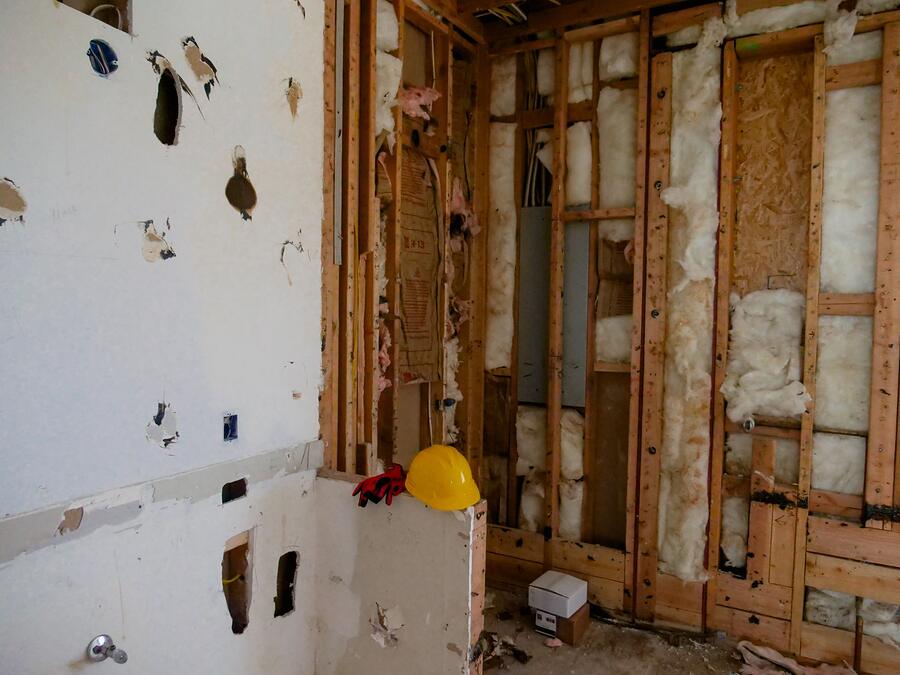
Build era decides the cavity. East Sacramento, Midtown, Land Park, Curtis Park, Oak Park and Del Paso Heights are dominated by pre-1975 stock, and houses of that era usually sit on a raised foundation over a ventilated crawl space. That gives an animal somewhere to die under the floor as well as inside a wall, and an underfloor carcass often smells worse indoors than a wall one because the odor rises through the floor over its whole area.
Natomas and the southern tracts are slab-on-grade, so the possibilities are wall cavities, the attic and the space above a soffit. Fewer places to look, and usually a shorter search.
Heat is the local variable. Sacramento summers are hot and dry and attic and wall temperatures climb through the afternoon, which speeds everything up and makes the odor far more obvious on a west wall after two in the afternoon than on the same wall in the morning. That daily pattern is useful for locating it and miserable to live with, which is why these calls tend to come in quickly.
What to check before this work is agreed
The company must be registered with the California Structural Pest Control Board and licensed in Branch 2, which covers household pests and rodents, and the Board public lookup lets you confirm a registration before anyone starts. Every contractor routed through this line holds it. Cutting and patching drywall is ordinary repair work and may be done by the same company or by a separate trade; where the damage runs into framing it becomes structural and moves to Branch 3 or a CSLB-licensed contractor.
Then ask the questions that protect the wall. How the location will be confirmed before anything is cut. How many access openings are expected. Who patches, and to what finish. Whether a second visit is included if the first access does not find it. And whether the opening the animal came in through is being sealed as part of the same job, because a removal with no sealing line is a removal you may be buying again.
If a bait plan is being proposed alongside it, ask exactly what is going down and where. Anticoagulant baits are restricted in California and the professional approach on an occupied house is trapping with sealing.
Services that run alongside this one
Most Sacramento jobs move through two or three stages, and these pages cover the steps either side of this one.
- Rodent Exclusion: Closing foundation vents, crawl space doors, gable vents and eave gaps in steel and sheet metal.
- Attic Cleanup and Decontamination: Droppings and soiled material cleared and the attic sanitized, wetted first as CDPH advises.
- Norway Rat Removal: The ground and burrow rat off the levees and out of crawl spaces, trapped and shut out at grade.
How the stages fit together is set out on the about page, and the line is open at any hour if you would rather ask.
Finding one inside a wall
The search that comes before any cutting.
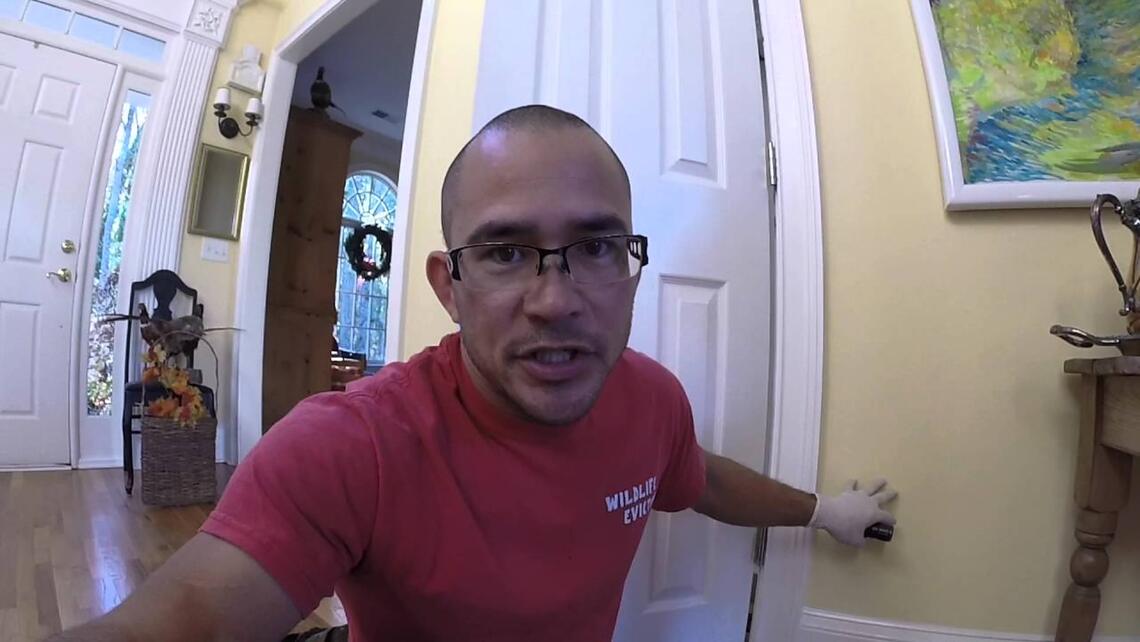
Video: How to remove a dead animal from inside a wall, from Wildlife Evictors.
How a carcass search runs
Five steps, with the cutting as late as possible.
-
Describe the smell and the timing
Which room, which wall, what hour it is worst, and how many days it has been building. The daily pattern is the most useful single piece of information.
-
Free inspection and trace
The odor followed at the gaps into the room, fly activity noted, wall temperatures read, and the known runs and any bait positions taken into account before anything is opened.
-
Cut one access
A hand-sized opening at the narrowest useful point, in drywall, a soffit, a cabinet back or from the attic, chosen to reach the cavity with the least repair.
-
Remove and treat
The carcass, the nesting material and any contaminated insulation out, then the cavity cleaned, treated and deodorized rather than just emptied.
-
Patch and close the entry
The access patched to the agreed finish, and the opening the animal used closed in hardware cloth or sheet metal so the cavity does not fill again.
Ready to start? Call (916) 644-8455 or Book a Free Inspection.
Why the search matters more than the removal
Three things that decide how much of your wall you lose.
Tracing first means one hole instead of four
The odor moves with the sun, concentrates at baseboards and outlets, and brings flies to one spot. Reading all three before picking up a saw is what keeps the repair to a hand-sized patch. A contractor who starts cutting on the first guess is charging you for the learning.
The EPA puts death four days to two weeks after an animal starts feeding on anticoagulant bait, so the cavity is usually near a known run.
The residue matters as much as the animal
Lifting the carcass out and closing the wall leaves contaminated insulation and staining behind, and that is what holds odor through the following summer. The cavity gets cleaned, treated and deodorized, and soaked material comes out rather than being tucked back in.
HomeGuide prices dead rodent removal at $150 to $500 and cleanup where insulation is involved at $600 to $2,500.
The opening gets closed, or this recurs
Something got into that cavity through a gap, and the gap is still there. Sealing it belongs on the same invoice, in hardware cloth or sheet metal rather than foam, and the list of what was closed is what any guarantee has to refer back to.
UC IPM names wire screen, sheet metal and coarse steel wool as the materials that hold.
What Reddit Says About Dead Rodent Removal in Sacramento
The strongest theme in homeowner discussions is regret about bait. People describe putting down blocks, getting silence for a week, and then spending three weeks with a smell in a bedroom wall, and the advice that follows is uniformly to trap instead. The second theme is about how much wall was opened: the stories people rate well involve one small patch, and the ones they warn about involve three or four exploratory holes.
The red flags named are specific. Cutting before the odor has been traced at different times of day. No mention of cleaning the cavity afterward. No sealing line on the quote. Ozone or fogging offered as a substitute for removing the animal. A price given over the phone before anybody has walked the house.
The questions they recommend are short and pointed. How will you confirm where it is before you cut. How many openings do you expect to make. Who patches and to what standard. Is a return visit included if the first access is empty. And is the entry point being sealed on this invoice.
A number of people report finding and removing one themselves, usually in an accessible attic bay, and describe the difficulty as entirely in the locating. Several mention that small flies at one outlet was the clue that finally placed it. A few report waiting it out, which works and which nobody recommends twice.
The trace itself is part of the free inspection, so finding out where it is does not have to be the expensive step.
A typical odor call in high summer
The situation: A single-story house in Rancho Cordova in late July. A heavy sweet smell in the hall, noticeably worse after two in the afternoon and almost absent first thing, and small flies collecting at one electrical outlet. A pest company had put bait stations in the garage six weeks earlier and the scratching had stopped soon after, which the owners had taken as good news.
What gets done: The contractor walks the house twice, morning and mid-afternoon, and the difference places the cavity on the west-facing hall wall rather than the garage. Flies at the outlet confirm the stud bay. One hand-sized access is cut below the outlet, the animal and a nest of shredded material come out, the soaked section of cavity insulation is removed, and the bay is cleaned, treated and deodorized. The survey then finds where the animal got in: a gap behind the dryer vent on the same elevation.
How it turns out: One visit for the removal and a second a few days later to patch and close the vent gap in sheet metal. The smell dropped sharply the same evening and had gone inside a week. The invoice listed the search, the removal and treatment, the drywall patch and the sealing as four lines, and the owners were told plainly why trapping would have avoided the whole thing.
Odor questions Sacramento callers ask
What people want to know before anybody cuts a wall.
How do I know it is an animal and not a plumbing problem?
The pattern gives it away. A carcass produces a heavy sweet odor that builds over about a week, peaks, then slowly declines, and it gets noticeably stronger in the afternoon as the wall warms. A drain or sewer issue smells sulfurous rather than sweet, stays constant through the day and is usually worst near a fixture. Small flies gathering at one outlet or baseboard run, with nothing in the kitchen, point firmly at a cavity.
Can it be removed without cutting anything?
Sometimes. An animal in an accessible attic bay, in a crawl space, inside a cabinet void or above a soffit can often be reached without touching a finished wall. A carcass inside a stud bay generally cannot, and the best available outcome there is one small access rather than several, which is what careful tracing buys you.
Will an ozone machine or a fogger fix the smell?
Not on its own, and anybody offering one as a substitute for removal is selling you a delay. The source keeps producing until the animal and the contaminated material are out of the cavity. Treatment and deodorizing have a genuine role after the removal, dealing with residue in the bay, and they are worth having as part of the job rather than instead of it.
Why did bait cause this?
Because it kills at a distance in time. The EPA describes most rodenticides as anticoagulants and puts death at four days to two weeks after feeding begins, which is long enough for an animal to return to the wall void it lives in. California has also restricted most of that chemistry: AB 1788, AB 1322 and the Poison-Free Wildlife Act together suspended the second-generation anticoagulants plus diphacinone, chlorophacinone and warfarin. Trapping removes the animal from the building, which is the whole difference.
How quickly can somebody come out?
The phone is answered 24 hours a day, every day, so the call can be made as soon as you notice it. Inspections run seven days a week between 7am and 7pm and the dispatcher books the next slot the contractor covering your area has open. The trace is part of the free inspection, so establishing where it is costs nothing.