
Rodent Removal in Granite Bay, CA
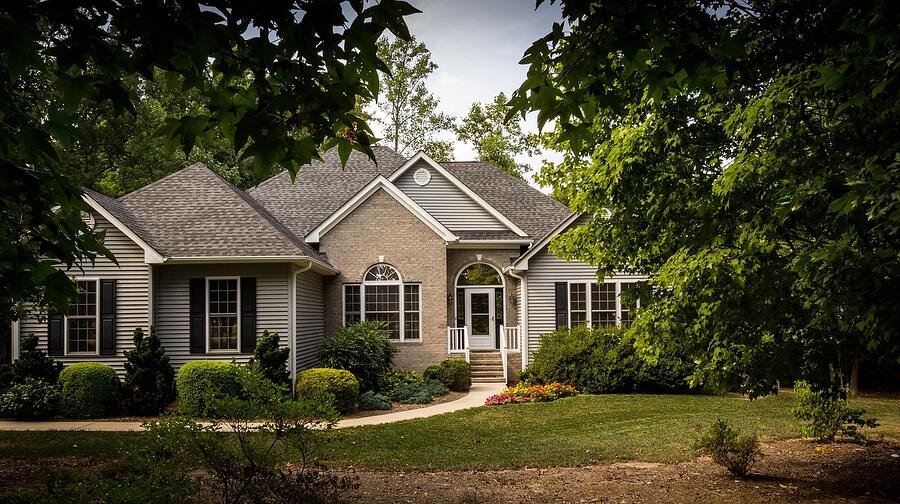
Granite Bay puts large custom homes on wooded acre lots above Folsom Lake, under heavy oak canopy. Big buildings and long perimeters mean the opening list is the document that matters.
- Large wooded lots
- Folsom Lake shoreline
- Free inspection, itemized quote
Free Inspection in Granite Bay
The free inspection in Granite Bay takes longer than a suburban visit, because the buildings are bigger and the perimeters are longer. The walk covers the whole envelope: the garage doors and their thresholds, the stucco and stone penetrations, the roof returns and valleys, the gable vents, the HVAC and plumbing penetrations through the roof, and the foundation vents and access doors where a house has a crawl space. Then the attic, which on a house of this size is often several separate spaces.
Granite Bay is unincorporated Placer County, roughly twenty-two miles northeast of downtown Sacramento. The line has cover through the night as well as the day, with visits arranged from 7am until 7pm on any day of the week. The visit costs nothing and the written opening list is yours. Book it here.
Oak canopy over acre lots
Granite Bay is characterized by large lots with the native oak cover left standing, which is what gives the area its look and also what puts limbs over rooflines on a great many properties. A mature valley or blue oak spreads horizontally and carries heavy low limbs, so a tree standing well back from a house can still reach its roof.
UC IPM describes roof rats as climbers that live in attics, wall voids and ceiling voids and travel up to 300 feet or more in search of food. On an acre lot with retained oak canopy that range covers the house, the pool house, the garage block and the neighbor's trees as one continuous territory. A limb cut back off a ridge is the cheapest single action available, and it is the one that keeps the sealing effective.
Landscaping adds to it. Substantial planting against walls, trellis, climbing cover and irrigation all help, and UC IPM specifically names Algerian and English ivy, star jasmine and honeysuckle among the conditions conducive to roof rat foraging. On a heavily planted lot the inspection says which plantings are doing the work.
Long perimeters, multiple roofs, several attics
A large custom house is a different sealing proposition from a tract house, and the difference is arithmetic rather than difficulty. More elevation means more roof returns and valleys. More roof area means more vents and penetrations. Two or three garages mean two or three thresholds. A pool house, a guest suite or a detached garage block each add their own envelope, and an attic divided into separate spaces has to be entered separately.
Because sealing is priced per opening, that produces a longer list and a larger sealing figure, and it makes the itemized list the single most important document in the quote. A one-line price for a building of this size tells you nothing and cannot be checked against anything.
Access is the other factor. Two-story elevations, steep roof pitches and high gables need equipment, and that belongs in the quote as a stated item. A contractor who proposes to assess a house like this from the ground has not assessed it.
The lake side and the open ground
Granite Bay sits on the western shore of Folsom Lake, with the state recreation area, oak woodland and open grassland alongside the housing. That ground is habitat rather than nuisance, and it carries a resident rodent population that comes with the landscape.
The relevant species at ground level is the Norway rat, which UC IPM places at ground level and below, usually in burrows, with a nightly range of 100 to 500 feet around the nest. A property adjoining open ground or a drainage corridor is within that range, and the pressure is heaviest from fall through spring, when winter rain floods burrows out and pushes animals toward the nearest dry space. A house with a crawl space on such a lot has a clear reason to get its vents closed before the first storms.
What We Handle in Granite Bay
Granite Bay jobs are usually large-envelope jobs, and these are the services that come up.
- Rodent exclusion: the main event here, with a long itemized list across the house and the outbuildings
- Roof rat removal: the oak canopy call, with the attic spaces trapped separately and the limbs identified
- Rodent inspection: the free walk, which on a house this size is the only honest basis for a quote
- Norway rat removal: ground activity where a lot adjoins open ground or a drainage corridor
- Attic cleanup: cleared and sanitized once the trapping finishes, space by space
- Attic insulation replacement: where material has been flattened into runs or soaked, priced per square foot
- Rodent clearance letters: written reports for a sale, which on this stock is a regular request
A Typical Granite Bay Job
The situation: A large two-story house on just over an acre, with retained oaks across the lot and a detached garage block. Movement over one end of the upstairs ceiling from the middle of October, nothing over the other end, and an owner who had been quoted a single figure by one company with no list attached and wanted a second opinion.
What gets done: The survey runs to nineteen items across the house and the garage block, and it explains the pattern: the attic is divided into three separate spaces, and only the one at the end where an oak limb rests against the fascia has any activity in it. Rub marks along two rafters and droppings in four bays, all in that space. Eleven openings with no traffic close on the first visit, traps work the single active space, and the eave junction there closes last.
How it turns out: Four visits over about three weeks. The droppings are wetted and cleared from the one attic space and the other two are left alone, which was the saving the list made visible. The owner had the limb cut back and two ivy runs pulled off a garden wall. The quote carried the nineteen items, the trapping and the single-space clearance as separate lines.
What This Costs in Granite Bay
These are national bands from published cost guides, labeled as national because no California city publishes a rodent cost survey. On a large envelope they describe the stages rather than the total, since sealing is priced per opening and this housing has more of them.
| Stage | Typical national band | Source |
|---|---|---|
| Sealing the building | $500 to $2,500 | HomeGuide 2026 |
| Trapping and removal | $250 to $1,200 | HomeGuide 2026 |
| Attic cleanup and decontamination | $600 to $2,500 | HomeGuide 2026 |
| Insulation removal and replacement | $2.50 to $5.50 per square foot | HomeGuide 2026 |
| Full-scope restoration, worst case | $3,000 to $10,000 and up | HomeGuide 2026 |
A house with nineteen openings and three attic spaces can exceed the top of the national sealing band, and that is legitimate arithmetic rather than a premium. What is not legitimate is a figure at that level with no list behind it. Insist on the itemized openings and on the attic spaces being assessed separately, because the saving on a large house usually comes from discovering that only one of them needs clearing.
Materials that keep rodents out
A comparison of what actually holds at a gap.
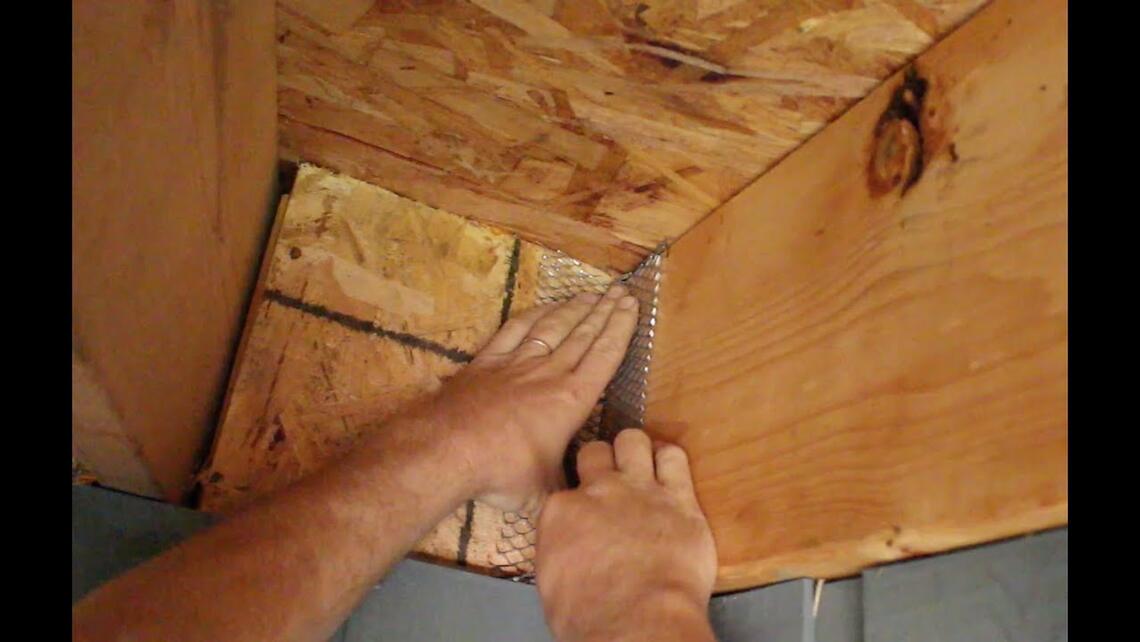
Video: How to keep mice out. Cheaper than hardware cloth, from Ontario Lakeside.
Common Questions in Granite Bay
The questions Granite Bay callers raise before they book.
Why is my quote so much higher than my neighbor's?
Usually because sealing is priced per opening and your building has more of them. A long perimeter, multiple roof planes, several garages and an outbuilding each add items, and a two-story elevation adds access equipment. The way to tell a fair figure from a padded one is the itemized list: nineteen named openings at a defensible rate is arithmetic, and one number with nothing behind it is not.
Do all the attic spaces need cleaning?
Often only one does, and finding that out is where the money is saved. A large house frequently has its attic divided into separate spaces that do not connect, so activity in one says nothing about the others. Each gets entered and assessed on its own, and the clearance is quoted per space. A quote that prices the whole attic area without having entered each space has assumed the worst case.
Will the oaks have to be cut?
Cutting limbs back clear of the roof is normally all that is required, and the tree itself stays. What a roof rat uses is contact, so removing the contact removes the route. The inspection names the limbs that touch and records them in writing; the tree work falls outside pest control and is almost always the cheapest part of the remedy. Ivy and climbing cover against walls are worth removing for the same reason.
How long does an inspection take on a house this size?
Longer than an hour, often closer to two, because the perimeter is long and the attic spaces have to be entered separately. That is time well spent: the opening list it produces is what the entire quote rests on. Tell the dispatcher the approximate size and how many buildings are involved, so the right amount of time is booked. The visit still costs nothing.
Nearby Areas We Serve
The contractors covering Granite Bay work the neighboring towns as well, across Placer County and the wider Sacramento metro.