Attic Cleanup After Rodents in Sacramento
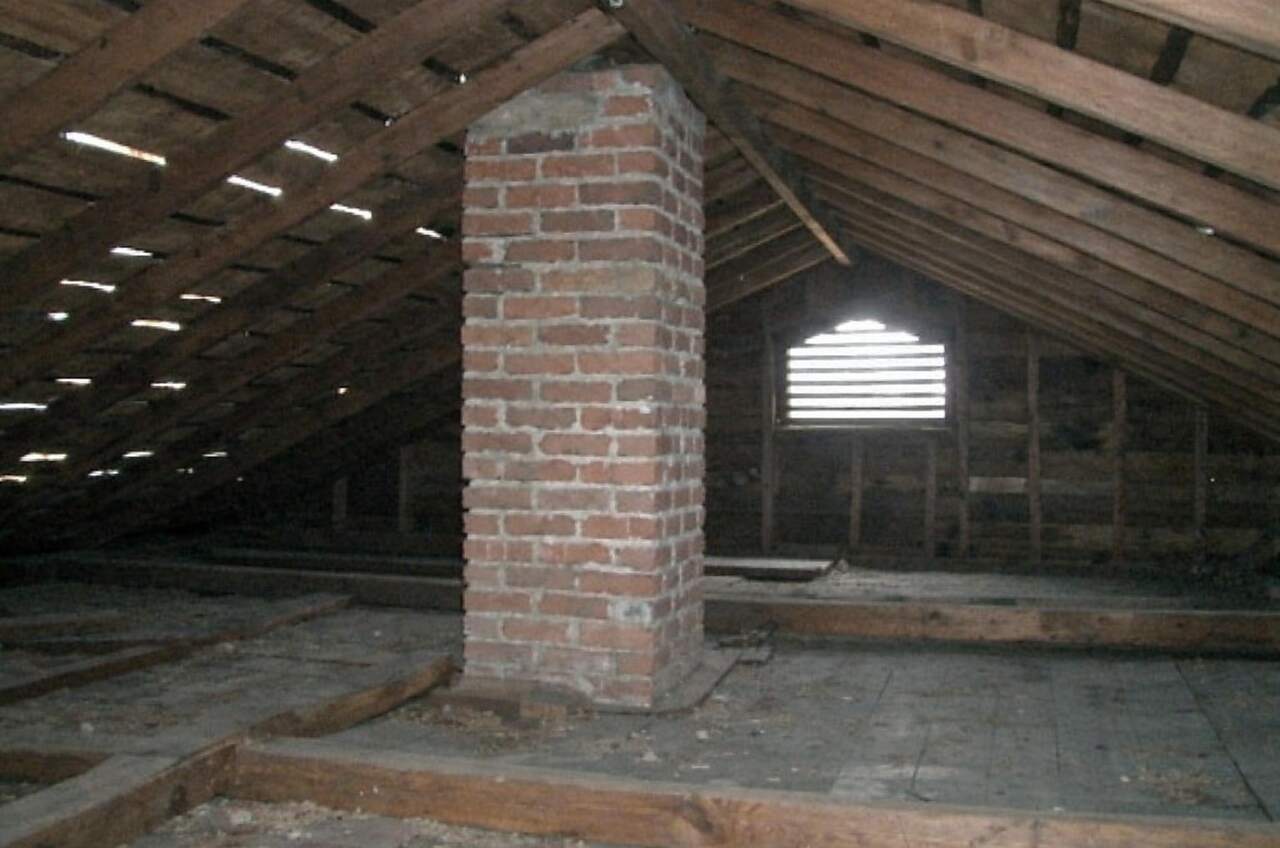
Once the animals are out, what they left is still in the attic: droppings across the joists, urine through the insulation and nesting material in the bays. Cleared, bagged and sanitized, wetted down first.
- Droppings wetted before removal
- Nesting material bagged out
- Free inspection, itemized quote
What attic cleanup in Sacramento includes
The work is a clearance followed by a sanitizing pass. Droppings and urine staining are wetted with a disinfectant or a dilute bleach solution, then picked up and bagged rather than swept or vacuumed dry. Nesting material comes out of the joist bays. Insulation that has been compacted into runs or soaked is bagged and removed, and the decision about replacing it is quoted separately.
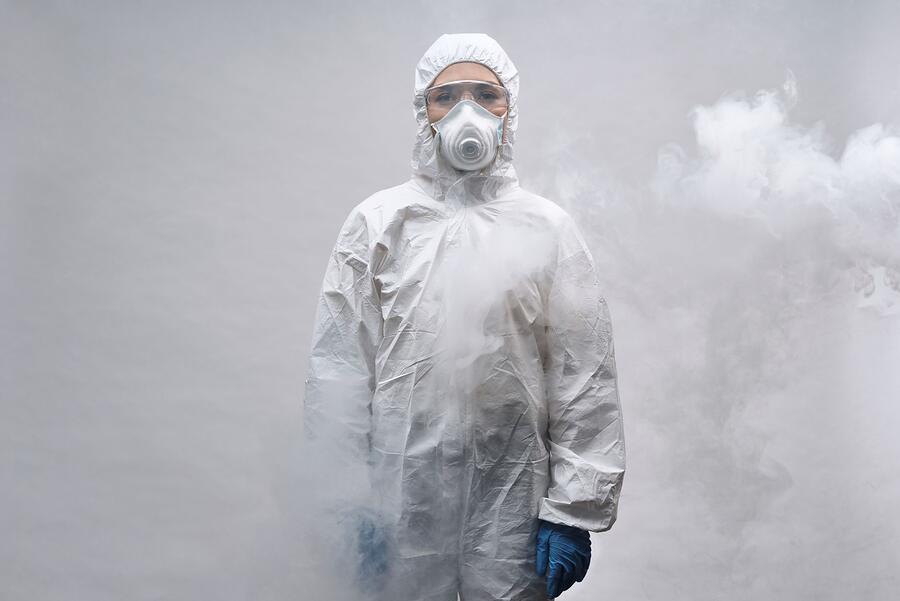
Then the surfaces. Joists, the roof deck underside, ductwork and any stored items the animals reached get a disinfectant wipe-down or fogging, and the contractor works in a protective suit and a half-face respirator throughout, because attic dust is worth respecting whatever is in it.
- Droppings and staining wetted before removal, then bagged out
- Nesting material cleared bay by bay
- Compacted and urine-soaked insulation removed where it is found
- Joists, deck, ducts and stored items disinfected
- Openings confirmed closed, because a cleaned attic with an open eave refills
- Cleanup and insulation replacement priced as separate lines
Why the droppings get wetted rather than vacuumed
Because dry handling puts the contamination into the air you are standing in. The California Department of Public Health is explicit on this point: droppings should never be dry-swept or vacuumed, and should be wetted first with a ten percent bleach solution or a disinfectant before being picked up. A shop vacuum in an attic full of droppings is the single most common mistake on a do-it-yourself cleanup.
The honest version of the health argument is worth stating, because the trade usually overstates it. CDPH reports that Sin Nombre hantavirus is carried by deer mice, which occur throughout California, and that the state records roughly three human infections a year. A house mouse or a roof rat in a city attic is not that reservoir. The protective suit and the respirator are there for general contamination, dust and mold, which is a real and ordinary reason rather than a dramatic one.
What the CDC says about rodents generally still applies: diseases spread directly through urine, droppings, saliva and bites, and indirectly through fleas, ticks and mites. That is the reason the material gets bagged out of the building instead of stirred up and left.
Why cleanup comes after the trapping and the sealing
Order saves money here. Clearing an attic while animals are still using it means paying twice, and clearing it before the openings are closed means paying twice on a longer timescale. So the cleanup is the last line on the job, after the trapping has gone quiet and the last openings have been shut.
The sequence also changes what the cleanup costs. An attic dealt with within weeks of the problem starting usually needs droppings cleared and a sanitizing pass. An attic left for two winters often needs insulation out as well, which is a different order of figure. Catching it early is the cheapest decision on the whole job.
Do I really need the attic cleaned after rodents?
Sometimes the answer is no, and a straight contractor will tell you so. A light scattering of droppings on a roof deck, with no nesting material and no urine staining in the insulation, can be spot-cleaned and left. What makes a full clearance worth paying for is volume, odor, or insulation that has stopped doing its job.
Two conditions move it from optional to sensible. Urine-soaked insulation holds odor that returns every time the attic warms up, which in a Sacramento summer is most days. And compacted insulation no longer performs: the Department of Energy notes that compressed insulation does not deliver its rated R-value and that wet insulation performs poorly, so there is an energy argument alongside the hygiene one.
How long does the smell take to go?
Clearing the material usually takes the sharp edge off within a day, and the residual fades over the following week or two as the attic airs. What does not fade on its own is odor held in insulation, which is why a cleanup that leaves soaked batts in place is often reported as having failed.
If the smell is heavy, sweet and building rather than ammoniac, the problem may be a carcass in a wall or a floor cavity instead of attic contamination, which is a separate job with its own page. The inspection distinguishes the two before anybody starts cutting access holes.
What attic cleanup costs, with the source on each band
No Sacramento-specific rodent cost survey is published, so these are national figures and are labeled that way. The free inspection is what turns them into a quote for your attic.
| Item | Typical national band | Source |
|---|---|---|
| Attic cleanup and decontamination | $600 to $2,500 | HomeGuide 2026 |
| Insulation removal and replacement | $2.50 to $5.50 per square foot | HomeGuide 2026 |
| Dead rodent removal, where one is found | $150 to $500 | HomeGuide 2026 |
| Full-scope restoration, worst case | $3,000 to $10,000 and up | HomeGuide 2026 |
Square footage and access drive the figure. A low-pitched attic over a single-story ranch with a hatch in the hallway is straightforward; a 1920s bungalow with a small hatch, a knob-and-tube era wiring run and boarded storage across half the floor takes considerably longer. Ask for the cleanup and the insulation as two lines, because they are two decisions and you may only need one of them.
What a Sacramento attic usually looks like by the time it is cleared
Older stock shows it worst. East Sacramento, Midtown, Land Park, Curtis Park, Oak Park and Del Paso Heights are dominated by pre-1975 homes, many of them Craftsman bungalows and Tudor Revivals 70 to 100 years old with original roofs, and an attic of that age tends to have loose-fill insulation that has already been topped up once, low headroom, and a hatch that was never meant for equipment. Roof rats reach those attics off the street canopy, so the runs are usually along the perimeter joists nearest the eave.
The newer tracts in Natomas and out toward Elk Grove are easier attics and harder to notice. Slab-on-grade houses have no underfloor, so everything happens above the ceiling, and a problem can run for a season before anyone hears it over the air handler.
Heat is the Sacramento factor on odor. Summers here are hot and dry, attic temperatures climb, and contamination that was quiet in February becomes obvious in July. A lot of cleanup calls come in months after the trapping, from people who thought the job was finished and then had a warm week.
What to check before cleanup work is agreed
The company needs to be registered with the California Structural Pest Control Board and licensed in Branch 2, which covers household pests and rodents. Every contractor routed through this line holds it, and the Board public lookup lets you confirm a company registration before work begins. Insulation replacement and any structural repair to chewed framing sit outside Branch 2, so ask who is carrying out those parts and under what license.
Then ask about method. Whether droppings will be wetted before removal, since CDPH advises against dry sweeping and vacuuming. What protective equipment the crew will use. Whether the material is bagged and taken off site. Whether the openings have been confirmed closed before the cleanup starts, because a cleared attic with an open eave is a cleared attic that refills.
And ask for the cleanup and the insulation on separate lines with the square footage stated, so the per-square-foot figure can be read against the published band rather than taken on trust.
Services that run alongside this one
Most Sacramento jobs move through two or three stages, and these pages cover the steps either side of this one.
- Attic Insulation Replacement: Flattened and urine-soaked insulation taken out and replaced with fresh material.
- Roof Rat Removal: Trapping the climbing rat that dominates Sacramento attics, with the roofline closed behind it.
- Dead Rodent Removal: Tracing an odor to the cavity holding the carcass, removing it and closing the route in.
How the stages fit together is set out on the about page, and the line is open at any hour if you would rather ask.
Disinfecting after an infestation
Three steps that come after the animals are out.
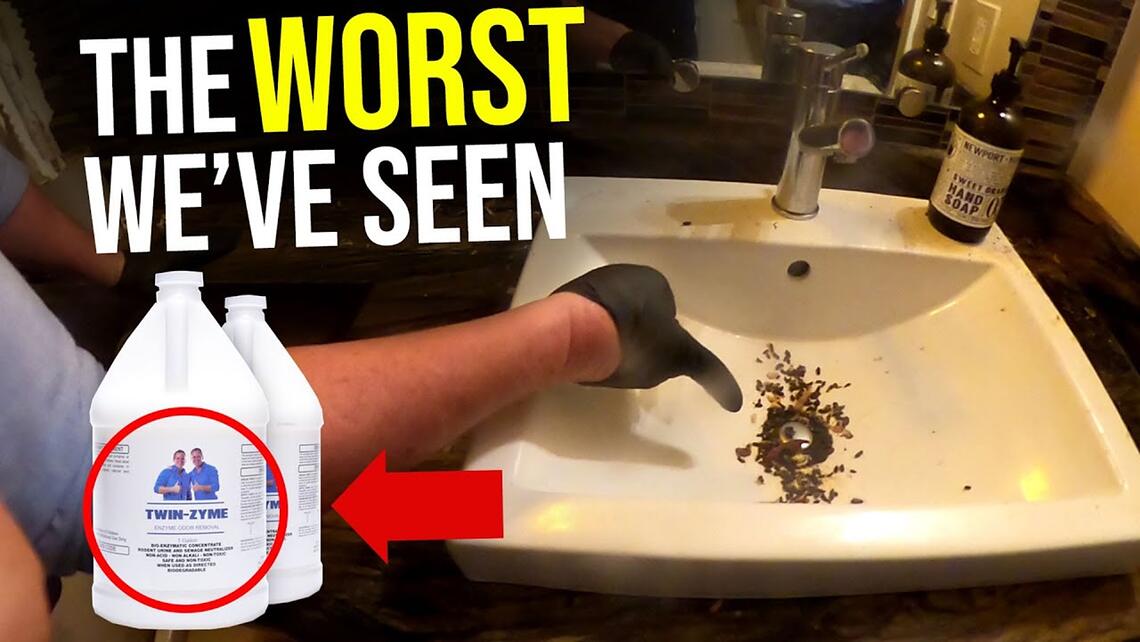
Video: 3 things to do to disinfect after a rodent infestation, from Twin Home Experts.
How an attic cleanup runs
Five steps, with the clearance last so it only gets paid for once.
-
Confirm the animals are out
Two consecutive trap checks with nothing in them, and the last openings closed. Clearing an attic that is still in use is money spent twice.
-
Assess the attic properly
Bay by bay: where the droppings are, where nesting material sits, which insulation is compacted or stained, and whether the ducts were reached.
-
Wet, clear and bag
Droppings and staining wetted with a disinfectant or a ten percent bleach solution before removal, as CDPH advises, then bagged and carried out of the building.
-
Sanitize the surfaces
Joists, the roof deck underside, ductwork and any stored items wiped down or fogged with a disinfectant, with the crew suited and wearing respirators throughout.
-
Decide on the insulation
Compacted and soaked material comes out; sound material stays. Replacement is quoted separately with the square footage stated, so it is a decision rather than an assumption.
Ready to start? Call (916) 644-8455 or Book a Free Inspection.
Why the cleanup is worth doing properly
Three reasons this line is more than cosmetic.
The method follows state guidance
Droppings get wetted with a disinfectant or a dilute bleach solution and picked up. They do not get swept and they do not go into a vacuum, because dry handling is what puts the contamination into the air. That is the California Department of Public Health position, and it is the difference between a cleanup and a redistribution.
CDPH advises wetting droppings with a ten percent bleach solution before removal.
Odor lives in the insulation
Wiping the deck and leaving soaked batts in place is the most common reason a cleaned attic still smells in the first hot week. Material that has been urinated through holds it, and Sacramento summers bring it back every afternoon. The assessment looks for staining and compaction bay by bay and says which needs to leave.
The Department of Energy notes that wet insulation performs poorly and compressed insulation misses its rated R-value.
The risk, described accurately
Hantavirus in California is a deer mouse matter, with roughly three human infections recorded statewide each year, and a gray house mouse or a roof rat in a city attic is not that reservoir. The suit and the respirator are for dust, mold and general contamination, which is reason enough without inflating it.
CDPH records about three hantavirus infections a year in California, carried by deer mice.
What Reddit Says About Attic Cleanup in Sacramento
Two things dominate homeowner discussions of attic cleanup: whether it was necessary at all, and whether the insulation should have come out. People who paid for a full decontamination on a light scattering of droppings feel sold to, and people who paid for a wipe-down and left soaked insulation in place feel short-changed the following summer. Both groups wanted somebody to tell them which situation they were in.
The red flags named are specific. A crew with a shop vacuum. No protective equipment. Cleanup quoted before the trapping has finished. One price covering clearance and insulation together with no square footage stated. A recommendation to fog the whole attic without removing anything first. And any version of a scare pitch built on hantavirus, which people increasingly recognize as overstated for a city attic.
The questions they suggest asking are practical. Will the droppings be wetted before removal. Is the material leaving the property. Are the openings closed already. Which insulation is coming out, measured in square feet. What is the sanitizing product. And whether cleanup and insulation can be quoted as two separate decisions.
A fair number report doing the clearance themselves, in a suit and a respirator, with a sprayer and heavy bags, and describe it as unpleasant and entirely doable in a roomy attic. The ones who advise against it are mostly people with a 1920s attic, low headroom and old wiring, which is a large share of the housing in the older Sacramento neighborhoods.
Either way, the assessment that says what needs to happen is free.
A typical attic cleanup after a winter of roof rats
The situation: A 1936 bungalow in Oak Park, trapping finished in late February and the roofline closed in March. Quiet ever since. Then the first ninety-degree week in May brought an ammonia smell into the back bedroom every afternoon, and the owners assumed the animals were back.
What gets done: The attic assessment finds no fresh sign and no open entry, which settles the worry immediately. It also finds droppings along four perimeter joist bays, two nests in the corner nearest the eave, and loose-fill insulation flattened into a run with heavy staining across roughly a quarter of the floor. The droppings and nests are wetted, bagged and carried out, the stained insulation is removed, and the joists, deck and the duct run are fogged with a disinfectant.
How it turns out: One working day for the clearance and sanitizing, with the insulation replacement quoted separately per square foot and booked a couple of weeks later once the owners had decided. The smell went with the material rather than with the wipe-down, which is usually how it goes.
Attic cleanup questions Sacramento callers ask
What comes up once the trapping is finished.
Can I just clean it myself?
In a roomy attic with decent access, plenty of people do. Wear a protective suit and a half-face respirator, wet the droppings with a disinfectant or a ten percent bleach solution before touching them as CDPH advises, bag everything and take it out of the house. Leave the shop vacuum alone. The arguments against doing it yourself are low headroom, old wiring and insulation that needs to come out, all common in the pre-1975 neighborhoods.
Should the insulation come out or not?
Only the parts that are compacted into runs or soaked with urine. The Department of Energy states that compressed insulation fails to deliver its rated R-value and that wet insulation performs poorly, which is what rodent traffic does to it, so those areas are worth replacing on performance grounds as well as for the odor. Insulation that is no more than dusty gets the droppings cleared off it and stays where it is.
Is the smell dangerous?
The smell itself is ammonia from urine, and it is unpleasant rather than hazardous at the levels found in a house. The reason a crew still suits up is general contamination and dust, plus the CDC position that rodents spread disease through urine, droppings, saliva and bites and indirectly through fleas, ticks and mites. Hantavirus is a separate matter and a deer mouse one; CDPH records about three infections a year across the whole state.
How long does it take?
Most residential attics are a single working day for clearance and sanitizing. Insulation removal and replacement usually adds a day, sometimes two on a large footprint. Access drives it more than area: a hallway hatch over a single-story ranch is quick, and a small hatch in a 1920s bungalow with boarded storage across the floor is not.
Do I have to wait for the trapping to finish?
Yes, and the reason is cost rather than caution. An attic cleared while animals are still using it gets recontaminated, and a quote that schedules the cleanup before the trapping has gone quiet is a quote that expects to come back. The free inspection sets the order, and the line is answered 24 hours a day if you want to talk through where you are in it.